Family-owned wet pet food manufacturing in Northern Ireland since 1972
+44 (0) 28 8778 4641
Family-owned wet pet food manufacturing in Northern Ireland since 1972
+44 (0) 28 8778 4641
The Latin American pet food market is undergoing a seismic transformation, with Peru standing out as one of the fastest-growing sectors for high-protein feline nutrition and premium treats. As urban pet ownership surges in Metropolitan Lima, Arequipa, Trujillo, and Callao, Peruvian pet owners are increasingly treating cats as integral family members. This phenomenon—widely recognized as pet humanization—has driven exponential demand for functional, high-meat content snacks, specifically cat jerky, freeze-dried treats, and lickable meat purees.
For commercial pet product importers, distributor networks, and supermarket chains operating across Peru, selecting the right manufacturing partner requires evaluating far more than landed unit prices. Importers face stringent biosecurity and sanitary clearances enforced by SENASA (Servicio Nacional de Sanidad Agraria del Perú), complex customs protocols at the Port of Callao, and challenging microclimatic distribution requirements—ranging from high coastal humidity in Lima to atmospheric pressure fluctuations in high-altitude Andean markets.
This technical whitepaper provides commercial buyers with an exhaustive guide to sourcing top-tier cat jerky and wet treats. Leveraging over five decades of specialized pet food manufacturing experience established since 1972, we evaluate technical specifications, localized consumer applications, packaging science, and private label (OEM/ODM) scalability for the Peruvian market.
Directly manufactured for commercial importers, private label brand owners, and distributor networks across Peru. Custom recipes available with complete SENASA export certification.
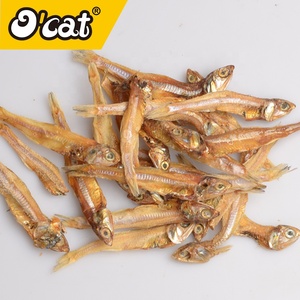
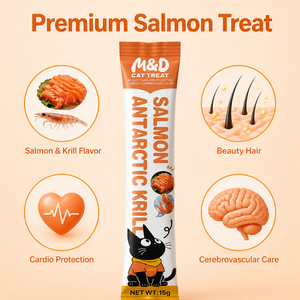
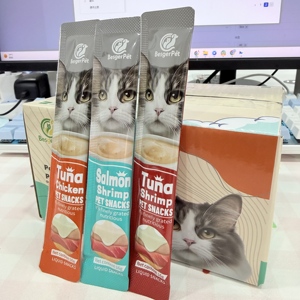
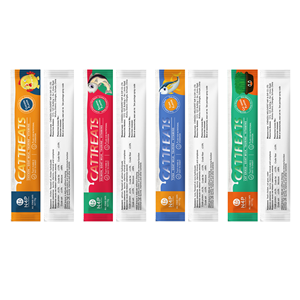
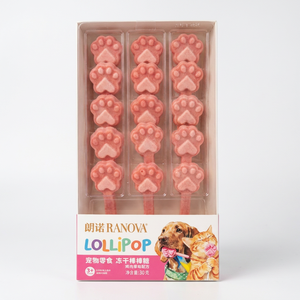
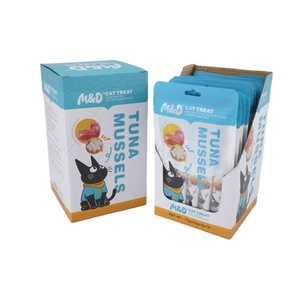
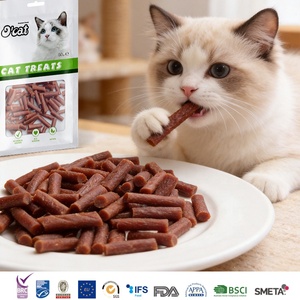
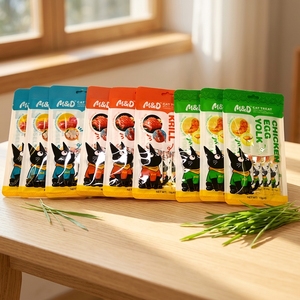
Sourcing pet food for Peru requires an intimate understanding of local pet-keeping behaviors, climate variations, and retail channel dynamics. Cat jerky and snack products must adapt to three primary commercial application scenarios across the country:
In high-density commercial hubs such as Miraflores, San Isidro, Surco, and La Molina, retail giants (including Supermercados Wong, Plaza Vea, Tottus, and Vivanda) dominate pet product sales. Urban apartment-dwelling cats in Lima frequently suffer from lower activity levels and indoor hydration deficits.
Solution Alignment: Displaying high-protein, low-fat cat jerky chews alongside hydration-boosting creamy cat sticks in branded shelf display trays. High-barrier packaging with zip-seal locks is vital to protect dry jerky from Lima’s coastal humid atmospheric conditions ("garúa").
Peru’s veterinary channel and independent pet shops (such as Pet Shop Park, Sodimac Pet, and localized chains in Arequipa and Trujillo) demand functional treats backed by nutritional science. Peruvian veterinarians actively prescribe grain-free, single-protein jerky snacks for cats diagnosed with food allergies or renal stress.
Solution Alignment: Single-ingredient dried tuna fillets and taurine-enriched freeze-dried lollipops. These products deliver clear, clean-label ingredient decks in Spanish that communicate therapeutic value directly to discerning pet parents.
Distributing packaged pet foods to Andean cities situated at altitudes above 2,500 to 3,800 meters involves severe physical packaging stress due to atmospheric pressure drops. Standard plastic pouches often burst or expand during mountain transit from coastal ports.
Solution Alignment: Supplying pressurized nitrogen-flushed pouch packaging and thick multi-layer foil laminates that withstand pressure variations while guaranteeing zero oxygen permeation, keeping jerky crisp and mold-free across all Peruvian topographies.
Understanding emerging trade dynamics allows importers to capture market share ahead of competitors. According to agricultural trade data and local retail auditing across South America, three major shifts define Peru's cat treat market:
Peruvian consumers are following global trends by avoiding artificial fillers, corn, wheat, and soy in pet food. Monoprotein cat jerky (100% pure tuna or 100% chicken breast) has seen a 38% year-over-year surge in regional retail search volume. Importers offering clean-label declarations enjoy higher gross profit margins per stock-keeping unit (SKU).
While dry jerky remains a staple chew snack, squeezable lickable strips (often served directly by hand) have become an essential tool for bonding. This product class acts as a powerful gateway snack in Peruvian households, converting traditional dry-kibble feeders into multi-category buyers.
App-based delivery platforms such as Rappi Peru and PedidosYa have turned cat treats into high-frequency impulse purchases in Lima. Compact, lightweight jerky pouches and multipack lickable sticks are perfectly optimized for courier delivery and rapid e-commerce order fulfillment.
To assist procurement managers in optimizing container space, pricing strategy, and shelf-life planning, the table below breaks down the technical parameters of our primary product lines manufactured for export to Peru.
| Cat Treat Product Category | Moisture Content | Crude Protein (%) | Shelf Life Stability | SENASA Registration Complexity | Target Peruvian Retail Segment |
|---|---|---|---|---|---|
| Dehydrated Fish & Meat Jerky | 10% - 14% | ≥ 55% - 65% | 24 Months (High Humidity Resistant) | Standard Sanitary Import Certificate | Mass Retail, Pet Specialty & Supermarkets |
| Lickable Squeezable Creamy Puree | 85% - 88% | ≥ 6.5% - 9.0% | 24 Months (Retort Thermal Processed) | Standard Processed Pet Food Clearance | Impulse Retail, E-Commerce & Convenience |
| Freeze-Dried Raw Meat Jerky / Paw Snacks | ≤ 5% | ≥ 70% - 80% | 18-24 Months (Hygroscopic Protection) | Premium Raw Animal Origin Clearance | High-End Vet Clinics & Boutique Pet Stores |
| Semi-Moist Functional Jerky Sticks | 18% - 22% | ≥ 40% - 50% | 18 Months (Nitrogen Flushed) | Standard Sanitary Import Certificate | Supermarkets, Vet Clinics & Wholesale |
Originally established in 1972 as a family-owned enterprise, our production legacy is founded on a simple principle: manufacturing pet food we would proudly feed our own animals. Today, operating as an international wet pet food and snack powerhouse, we offer unmatched vertical integration and global export security for Peruvian importers.
From raw material intake to thermal cooking, retort sterilization, low-temperature dehydration, and automated packaging—every single step takes place under our direct operational supervision. This eliminates third-party subcontractor risks and guarantees consistent batch-to-batch quality.
All cat jerky and wet treat formulations are developed alongside expert animal nutritionists in full compliance with European FEDIAF standards. Our facilities operate under strict HACCP and BRCGS quality control systems, ensuring smooth customs clearance with SENASA in Peru.
We empower Peruvian distributors to launch successful own-brand lines. We support localized Spanish packaging design (compliant with Peruvian labeling standard NTP 209.038), custom recipe tweaking, barcode integration, and container shipping optimization.
Here are clear answers to the most common regulatory, logistical, and production questions raised by Peruvian pet food importers prior to contract signing.
Every shipment exported to Peru is supplied with a comprehensive documentation dossier. This includes an official Veterinary Health Certificate issued by government agricultural authorities, Certificate of Origin, detailed ingredient breakdown, microbiological analysis reports (testing for Salmonella, Enterobacteriaceae, and Heavy Metals), and thermal processing charts for retort-sterilized wet items. Our regulatory export team works directly with your local Peruvian customs broker to ensure 100% SENASA clearance success at the Port of Callao.
As a high-capacity commercial factory, our production schedules are organized by full container runs (20ft or 40ft HQ containers) to deliver optimal landed cost efficiency for Peruvian distributors. For standardized inline recipes with custom private label film printing, MOQs generally start at 30,000 to 50,000 pouches depending on the packaging format (e.g., 15g squeezable sticks vs 80g jerky pouches). Consolidated multi-SKU container loading options are available for established retail partners.
Ocean freight routes from Europe/Asia across the equator to the Port of Callao subject cargo to intense heat and humidity variations. We combat this using three barrier protections: (1) Precise moisture reduction down to below 12% during slow dehydration; (2) High-barrier aluminum laminates (PET/AL/PE) that prevent moisture vapor transmission; and (3) Food-grade oxygen absorbers or nitrogen flushing inside every single sealed retail pouch.
Initial private label project setups typically take 12 to 16 weeks. This includes recipe finalization, Spanish packaging proofing, factory trial runs, and SENASA product registration. Repeat commercial orders move significantly faster, with factory dispatch achievable within 4 to 6 weeks, followed by transit time to the Port of Callao via primary ocean shipping lines.
Yes. Our R&D technical team routinely formulates functional jerky and wet puree lines. Common functional additives specified by our international buyers include: L-Carnitine for weight management, Cranberry Extract for urinary tract defense, Glucosamine & Chondroitin for joint support, and specialized Malt Extract for hairball control.
Partner with an established, family-owned pet food manufacturer offering over 50 years of technical expertise, complete SENASA export compliance, and competitive wholesale pricing.