
Global Pet Food Processing: Technical Architecture & Strategic Sourcing Whitepaper
The global pet food ecosystem is currently undergoing a structural transformation driven by humanization, scientific nutrition, and stringent regulatory oversight. As pet parents increasingly treat companion animals as full family members, retail brands, grocery chains, and international importers face unprecedented pressure to secure reliable partnership with a top trusted pet processing supplier. Navigating this dynamic market requires more than basic manufacturing; it demands an integrated processing ecosystem capable of delivering verifiable nutritional integrity, thermal processing precision, and total ingredient transparency from farm to bowl.
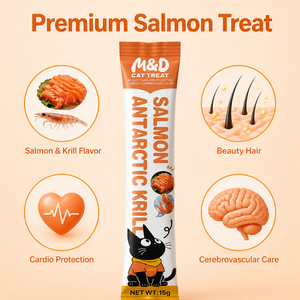
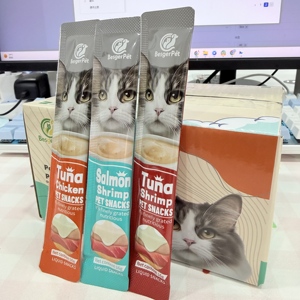
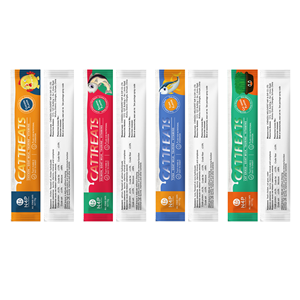
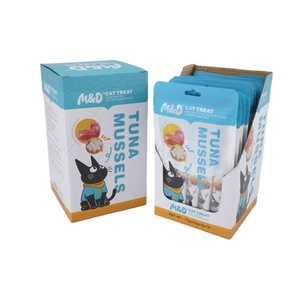
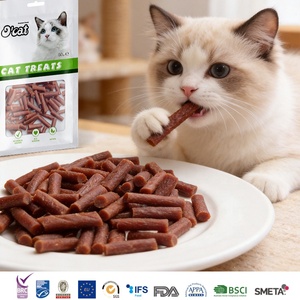
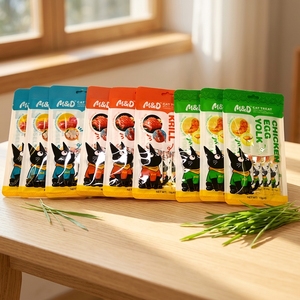
Established with a heritage dating back to 1972 in Northern Ireland, our manufacturing infrastructure combines five decades of wet pet food production expertise with advanced automated thermal retort processing. Operating as a premier family-owned OEM and ODM partner, we engineer custom wet pet foods, squeezable cat treats, grain-free foil trays, and high-protein snack sticks that empower global brand owners to dominate competitive retail shelves across 40+ international markets.
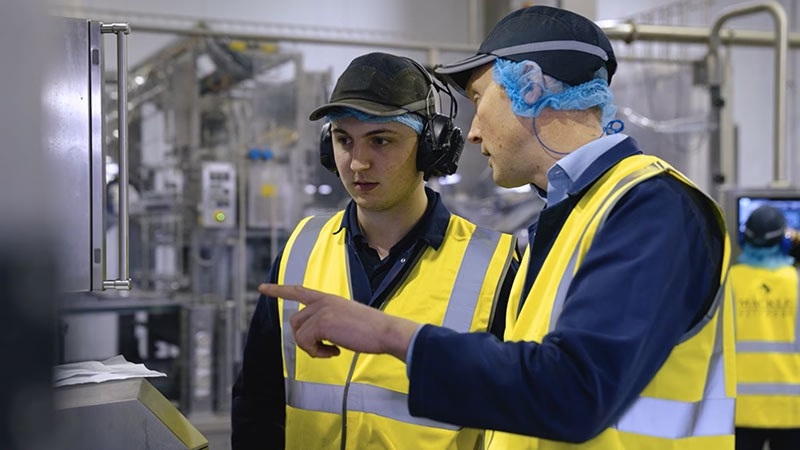
Single-Site Vertical Processing Capability
Divided supply chains introduce operational friction, quality degradation, and compliance risk. Our centralized manufacturing center houses formulation research, raw ingredient intake, high-speed emulsification, pouch/tray filling, seam inspection, retort sterilisation, and packaging under one rigorous quality management protocol.
By keeping 100% of wet food and lickable treat processing within a single controlled environment, we guarantee batch-to-batch consistency, eliminate cross-contamination hazards, and streamline export certification compliance for overseas buyers.
1. The Evolution of Pet Processing Technologies: Thermal Sterilization vs. Palatability Retention
In thermal wet pet food production, the engineering goal is two-fold: achieving commercial sterility to prevent pathogenic outgrowth (such as Clostridium botulinum) while preserving delicate amino acid profiles, natural taurine levels, and organoleptic palatability. As a market-leading pet processing supplier, we utilize computerized overpressure retort systems engineered to calculate exact Fo thermal lethality values tailored to specific container geometries—whether 15g squeezable pouches, heat-sealed aluminum trays, or traditional tinplate cans.
Retort Thermal Optimization
Precision heat penetration curves ensure complete microbial destruction without over-cooking proteins, protecting essential natural vitamins and moisture retention.
Seam Integrity Verification
Double-seam video micro-measurements and automated burst-testing on flexible foil pouches prevent post-sterilization micro-leakage and oxidation.
Bio-Active Taurine Protection
Enrichment formulations account for thermal processing thermal losses, ensuring end products strictly satisfy FEDIAF and AAFCO feline dietary requirements.
Traditional mass-market kibble extrusion often subjects ingredients to shear stress and high heat, rendering proteins denatured and requiring synthetic topical fats for palatability. Conversely, modern wet processing—specifically lickable cat treat pastes and chunk-in-gravy formulations—relies on high-shear emulsification of fresh meat, wild-caught salmon, and skipjack tuna. This preserves cellular moisture structure, resulting in a naturally rich aroma and smooth texture that triggers feline feeding responses without artificial chemical enhancers.
2. Key Procurement Trends Reshaping the Global Pet Food Supply Chain
Sourcing directors and category managers must align their supply networks with shifting consumer behaviors and macro-economic factors. Analysis of international customs data and market intelligence reveals four critical procurement trends driving the pet processing sector into 2030:
A. Surge in Functional & Hydration-Centric Treat Formulations
Feline kidney health and lower urinary tract system (LUTD) diseases are primary health concerns for cat owners globally. Consequently, demand has shifted dramatically from hard dry snacks toward high-moisture squeezable treats (80%-88% moisture content). Leading importers are actively replacing traditional treats with functional wet lickable sticks fortified with functional additives like Omega-3 fatty acids (EPA/DHA), prebiotic fructooligosaccharides (FOS), glucosamine, and green-lipped mussel extract. Sourcing from suppliers capable of homogenizing active nutraceuticals into thermal-stable lickable creams is now a core competitive advantage.
B. Clean-Label Single-Protein & Grain-Free Formulations
Pet allergy diagnostics have made consumers hypersensitive to filler ingredients, artificial colors, and ambiguous meat meal derivatives. Modern procurement specifications mandate named animal proteins (e.g., 100% Atlantic Salmon, Free-Range Chicken Breast, Pacific Tuna Fillet) without wheat, soy, corn, or synthetic preservatives. Contract manufacturers must provide rigorous species-DNA testing and transparent raw material chain-of-custody documentation to substantiate on-pack claims such as "Hypoallergenic" or "Single-Animal-Protein Source."
C. Sustainable Packaging & Eco-Conscious Form Factors
Environmental legislation and consumer backlash against single-use plastics are forcing brand owners to re-evaluate packaging formats. Forward-thinking suppliers are transitioning toward recyclable aluminum foil trays, lightweight steel cans with easy-open ends, and high-barrier mono-material flexible pouches capable of enduring retort heat while supporting post-consumer recycling streams. Reducing package tare weight also lowers maritime freight carbon footprints per metric ton delivered.
D. Vertical Supply Chain Security & Nearshoring
Recent international shipping disruptions and tariff volatility highlighted the risk of over-relying on single-region low-cost suppliers with unverified quality controls. Tier-1 buyers are diversifying procurement by partnering with established, Western-compliant processing facilities located in key agricultural hubs (such as Northern Ireland and Europe). Facilities benefiting from direct access to grass-fed livestock and sustainable North Atlantic fisheries offer immune supply chains unaffected by global raw material bottlenecks.
FEDIAF & HACCP Certified Quality Management
Quality assurance is the single most important parameter in private label pet food manufacturing. Every operational run in our plant undergoes rigorous Hazard Analysis Critical Control Point (HACCP) monitoring, backed by third-party BRCGS Global Standard for Food Safety accreditation.
From raw ingredient receiving temperature validation to post-retort incubation testing, our technical specialists ensure your private label product satisfies strict European Union (FEDIAF) and North American (AAFCO) pet food safety benchmarks before container seal dispatch.

3. Industry Development Trends: What Technical Buyers Must Monitor
Understanding future technological trajectory is crucial for brand managers designing 3-to-5-year product roadmaps. The pet processing landscape is evolving along several key technical axes:
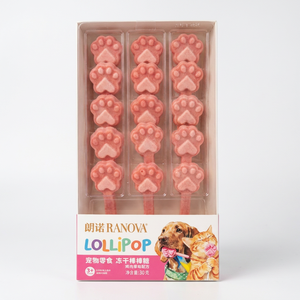
- 1. Advanced Freeze-Drying Hybrid Processing: Combining real raw-meat freeze-dried morsels with moist lickable treat bases to create multi-textural sensory experiences (e.g., raw freeze-dried paw lollipops coated with nutrient-rich meat glazes).
- 2. Enzyme Hydrolysis for Superior Bioavailability: Utilizing specialized protease enzymes to break down dense animal protein chains into low-molecular-weight peptides. This improves gut absorption for senior pets and sensitive kittens while naturally intensifying umami flavor profile without sodium additive loading.
- 3. Micro-Batch Automated Dosing Technology: Precision liquid injection systems that allow custom flavor variations, vitamin premixes, and functional oils to be dosed inline with zero cross-run contamination during high-speed pouch filling runs.
- 4. Predictive Shelf-Life Accelerated Testing: Utilizing environmental stability chambers to simulate multi-year climate degradation, ensuring pouch seal barrier integrity and emulsion stability remain flawless in tropical export markets.
4. Strategic B2B Procurement & Supplier Risk Mitigation Matrix
When selecting a strategic contract manufacturer or wholesale pet processing supplier, commercial buyers must conduct thorough audit protocols. The matrix below outlines vital verification parameters every sourcing officer should inspect prior to issuing a purchase order:
| Audit Dimension | Risk Exposure | Standard Verification Protocol | Our Factory Solution |
|---|---|---|---|
| Raw Material Traceability | Adulteration, heavy metal contamination, species fraud | Batch-level supplier certs, veterinary origin certificates | 100% human-grade supply chain from inspected EU facilities |
| Thermal Processing Safety | Under-sterilization, spoilage, pathogen survival | Computerized Fo curve logs, temperature probe records | Automated steam-air retort systems with dual redundant probes |
| Emulsion & Texture Stability | Syneresis (water separation), fat capping, texture breakdown | High-temperature incubation tests, rheology profiling | Proprietary hydrocolloid-free natural binding matrix formulations |
| Regulatory Export Compliance | Customs seizure, packaging labeling non-compliance | Multi-language artwork sign-off, official health certificates | In-house global regulatory team managing export paperwork for 40+ countries |

Excellence Driven by Dedicated Specialists
Product consistency stems directly from human expertise. Named Employer of the Year at the 2025 Grocer Gold Awards, our company fosters continuous technical development, advanced food technology apprenticeships, and long-term career progression across our sites.
When you partner with us for private label or OEM wet pet food supply, you gain direct access to seasoned food scientists, process engineers, and regulatory specialists committed to manufacturing products that earn repeat purchases in your target markets.