Family-owned wet pet food manufacturing in Northern Ireland since 1972
+44 (0) 28 8778 4641
Family-owned wet pet food manufacturing in Northern Ireland since 1972
+44 (0) 28 8778 4641
Factory-direct contract manufacturing solutions engineered for global brand owners, distributors, and health nutrition retailers.
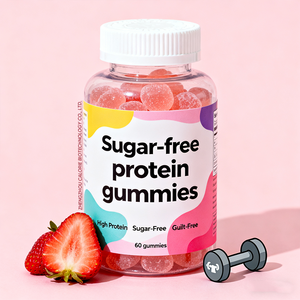
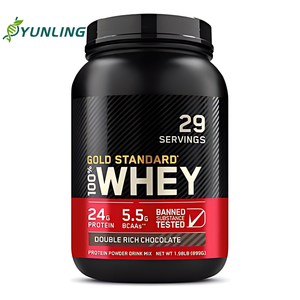
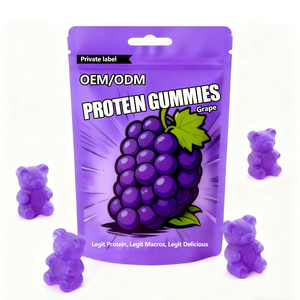
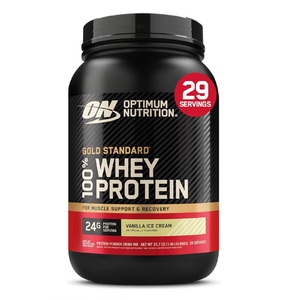
The global sports nutrition and macro-functional food market is undergoing a seismic structural pivot. Driven by evolving consumer preferences toward clean-label formulations, sugar-free delivery formats, and plant-based protein alternatives, institutional procurement directors face an increasingly complex vendor selection process. Selecting qualified, certified, and technologically advanced high protein factories and suppliers is no longer merely a pricing exercise; it is a critical strategic risk mitigation initiative.
Modern dietary supplement buyers demand rigorous adherence to high-yield extraction methodologies, validated amino acid profiling, micro-encapsulation stability, and international regulatory certifications including cGMP, HACCP, ISO 22000, and HALAL. As brands expand across North America, Europe, Southeast Asia, and the Middle East, factory partners must demonstrate true vertical integration—from raw isolate sourcing to finished retail packaging.
Sourcing premium cross-flow microfiltered (CFM) whey isolates and non-GMO plant proteins with high Protein Digestibility Corrected Amino Acid Scores (PDCAAS = 1.0).
Eliminating supply chain fragmentation through integrated formulation, enzymatic processing, instantization, thermal drying, and cleanroom filling under one roof.
Full batch traceability from farm to loading dock, validated by accredited independent third-party laboratories and international health authorities.
A deep dive into protein matrix engineering, processing technologies, and bioavailability profiles for modern sports nutrition.
| Protein Matrix / Format | Processing Technology | Protein Purity (%) | Key Biological Feature | Primary Target Market Application |
|---|---|---|---|---|
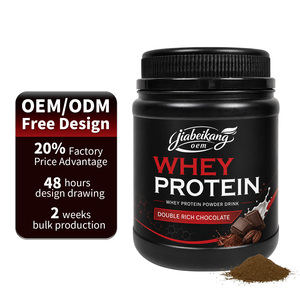
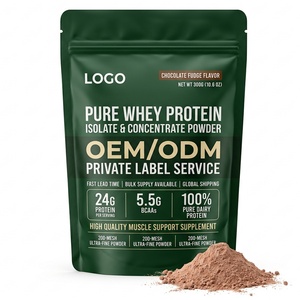
| Whey Protein Isolate (WPI 90) | Cross-Flow Microfiltration (CFM) | 90.0% – 94.5% | Ultra-low lactose/fat; rapid digestion kinetics | Premium sports powders, post-workout recovery |
| Hydrolyzed Whey Peptides | Enzymatic Hydrolysis | 85.0% – 88.0% | Pre-digested di/tri-peptides; instant uptake | Clinical nutrition, elite athlete formulations |
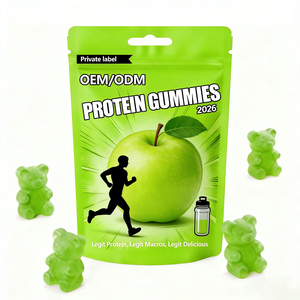
| High-Protein Gummies (17g/serving) | Pectin/Gelatin Thermal Setting | 35.0% – 45.0% | Sugar-free, chewable compliance, portable fuel | Active lifestyle consumer, functional confectionery |
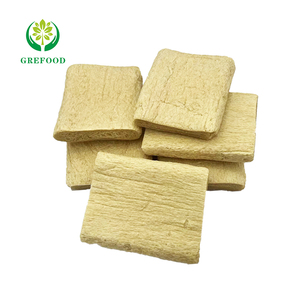
| Textured Soy Protein (TVP/TSP) | High-Moisture Twin-Screw Extrusion | 65.0% – 75.0% | Meat-like fibrous structure, high L-Arginine | Vegan dietary snacks, Southeast Asian HALAL markets |
One of the primary technical hurdles in high-protein powder formulation is maintaining instantaneous dispersibility without agglomeration or foam persistence. Leading OEM factories utilize sunflower lecithin agglomeration and fluidized-bed spray instantization. This process coats protein particles at a microscopic level, enabling rapid cold-water dissolution within 15 seconds of agitation.
Furthermore, in sensory testing for protein gummy confectioneries, maintaining a smooth, non-gritty texture while achieving up to 17g of protein per serving requires thermal-stable isolate bonding. By balancing pH levels and utilizing precise pectin gel matrices, top manufacturers prevent heat-induced denaturization during extrusion.
For institutional buyers and commercial brand managers, evaluating protein quality requires analyzing the Branched-Chain Amino Acid (BCAA) ratio—specifically L-Leucine, L-Isoleucine, and L-Valine. Factory-certified formulations deliver a minimum 2:1:1 BCAA profile, ensuring optimal stimulation of muscle protein synthesis (MPS) via the mTOR pathway.
For plant-based alternatives like Textured Soy Protein (TSP), factories utilize synergistic blending (e.g., soy and pea or rice isolate combination) to offset limiting amino acids like methionine, achieving a PDCAAS of 1.0 equivalent to dairy protein sources.
How tier-one high protein suppliers maintain batch-to-batch consistency and international compliance across high-volume production runs.
From raw ingredient blending and micro-milling to high-speed jar filling and blister packing, single-site execution guarantees uninterrupted quality control, zero cross-contamination risks, and total operational transparency.
Every raw material batch undergoes incoming Fourier-Transform Infrared (FTIR) spectroscopy verification. Fully integrated Laboratory Information Management Systems (LIMS) track lot numbers from raw intake to retail shelves.
Dedicated production lines tailored for global export compliance. Strict adherence to HALAL slaughter/processing standards, non-GMO sourcing, and sugar-free sweetener formulations (Stevia, Erythritol, Monk Fruit).
A standardized commercialization timeline for brand owners: Weeks 1–3: Technical Briefing & Benchmark Profiling; Weeks 4–6: R&D Pilot Batching & Organoleptic Validation; Weeks 7–9: Stability, Shelf-Life Testing & Packaging Artwork Compliance; Weeks 10–14: Commercial Mass Production & Quality Release Testing; Weeks 15–20: Export Customs Clearance, Freight Dispatch & Regional Landing.
Key market indicators and technological shifts shaping the next decade of high-protein ingredient sourcing.
Traditional protein powders are increasingly supplemented by convenience-first formats. High-protein gummies (delivering up to 17g of isolate per pack) and protein-infused crisp snacks are growing at over 14.2% CAGR. Procurement teams must partner with factories possessing specialized confectionery gelatin/pectin extrusion equipment to capture active-lifestyle consumers.
Global regulatory pressure on added sugars and rising consumer awareness of insulin management have made sugar-free formulations mandatory. Modern factories utilize advance polyol and natural sweetener matrixing that mimics sugar's caramelization and mouthfeel without compromising protein stability or adding empty calories.
Emerging markets across Southeast Asia and the Middle East represent the fastest-growing consumer segments for sports supplements. Sourcing Textured Vegetable Protein (TVP) and HALAL-certified Whey Isolates with documented supply-chain purity guarantees instant market access and frictionless customs processing.
B2B buyers are actively transitioning away from rigid HDPE plastic tubs toward recyclable mono-material flexible pouches and biodegradable cardboard containers. Top-tier suppliers now offer carbon-neutral logistics, concentrated bulk powder formats, and sustainable packaging customization.
Direct technical insights to simplify vendor qualification and contract manufacturing negotiation.
Minimum order quantities depend strictly on the product format and custom packaging specifications. For standardized powder formulations (e.g., 2lb jars or pouches), standard factory MOQs typically start at 1,000 to 3,000 units per flavor. For specialized functional confectionery such as High-Protein Gummies or extruded Textured Soy Protein, MOQs are calculated by production batch weight, usually starting at 500 kg to 1,000 kg per run.
Reputable factories implement a dual testing protocol: First, incoming raw materials are tested using High-Performance Liquid Chromatography (HPLC) and the Kjeldahl/Dumas nitrogen combustion method to verify total protein content. Second, every finished production lot is accompanied by a Certificate of Analysis (COA) issued by an ISO 17025 accredited laboratory detailing protein percentage, moisture level, heavy metal analysis, and microbiological screening.
Under optimal storage conditions (cool, dry environment below 25°C), high-quality Whey Protein Isolate powders maintain a validated shelf life of 24 months. High-protein gummies typically offer a 12 to 18-month shelf life. Accelerated shelf-life testing (ASLT) is conducted during the R&D stage to ensure nutrient potency, flavor integrity, and microbial safety over time.
Yes. Full-service OEM/ODM manufacturers maintain dedicated regulatory compliance teams. They assist brand owners with nutritional facts panel generation, allergen declarations, ingredient translation, Health Certificates, Free Sale Certificates, and HALAL documentation required for smooth clearance by health authorities across Europe, North America, Asia, and the Middle East.
Whey Protein Concentrate (WPC80) contains approximately 80% protein alongside natural dairy fats and lactose, making it a cost-effective choice for mass-market powders. Whey Protein Isolate (WPI90) undergoes additional cross-flow filtration to achieve ≥90% protein with virtually zero lactose or fat. WPI is ideal for premium, low-calorie, ultra-clean label formulations and fast-absorbing sports nutrition products.