Family-owned wet pet food manufacturing in Northern Ireland since 1972
+44 (0) 28 8778 4641
Family-owned wet pet food manufacturing in Northern Ireland since 1972
+44 (0) 28 8778 4641
The global pet care sector is undergoing a profound paradigm shift. Driven by intense pet humanization, consumer demand has expanded beyond standard nutrition toward high-protein, clean-label, human-grade, and certified organic formulations. For global buyers, retailers, and brand owners, identifying a competent manufacturing partner requires rigorous technical evaluation. Sourcing teams must examine raw material traceability, thermal process validation, retort sterilisation compliance, and international regulatory alignment (FEDIAF, AAFCO, BRCGS, and GACC).
This industry report provides an analytical evaluation of the Top 10 Organic Pet Food Manufacturers & Factories, outlining key operational benchmarks, private label capabilities, and future-proof procurement strategies for decision-makers worldwide.
Explore high-demand product formulations manufactured under strict quality standards for private label procurement.
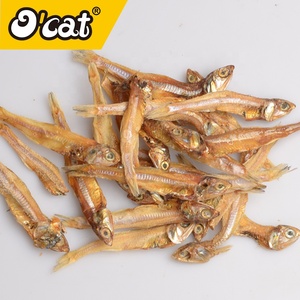
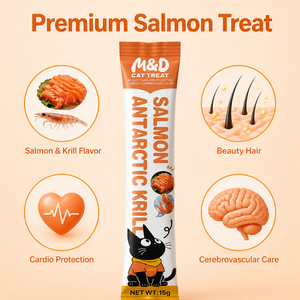
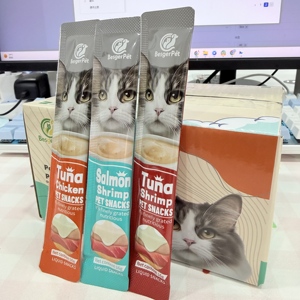
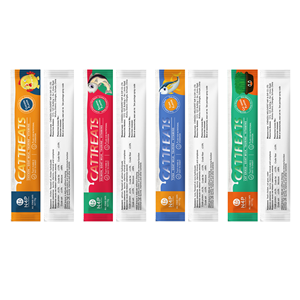
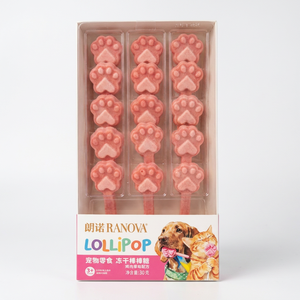
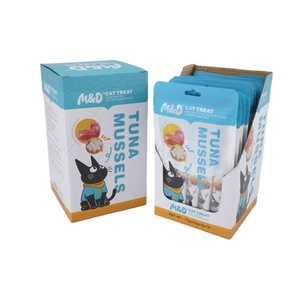
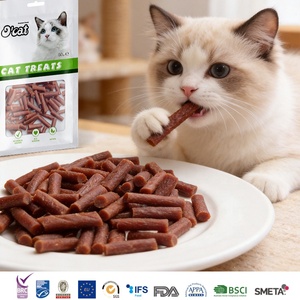
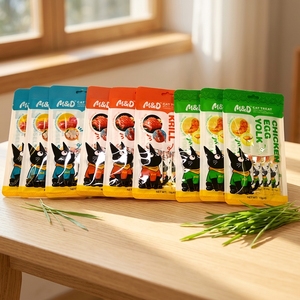
Understanding the critical manufacturing criteria that differentiate market-leading pet food factories.
Combining recipe formulation, high-pressure cooking, automated canning, tray sealing, and retort sterilisation under a unified facility to guarantee batch consistency and thermal lethality (F0 validation).
End-to-end raw material tracking protocols from farm intake to finished container loading. In-house microbiological testing supported by independent BRCGS Grade AA audits.
All recipes are formulated by specialized animal nutritionists to exceed European and North American dietary guidelines for complete and balanced growth across life stages.
When selecting an OEM/ODM partner, procurement directors must evaluate key parameters including processing technology, format flexibilities, and regional certification capabilities. The matrix below outlines operational benchmarks typical of elite manufacturing facilities worldwide.
| Manufacturer Region / Profile | Primary Formats | Processing Expertise | Quality Standards | Target Export Channels |
|---|---|---|---|---|
| Northern Ireland / UK (e.g., Mackle Legacy) | Wet Cans, Foil Trays, Pouches | Retort Sterilisation, Fresh Meat Emulsions | FEDIAF, BRCGS AA, HACCP | Grocery Retailers, Global Brand Owners |
| Western Europe (Germany / Netherlands) | Cold-Extruded Dry Kibble, Trays | Thermal Extrusion, Hydrolyzed Proteins | IFS Food, EU Organic Certification | Specialist Chains, Veterinary Clinics |
| North America (USA / Canada) | Baked Kibble, Canned Stews | Slow-Baking, Steam Injection Retort | AAFCO compliant, USDA Organic | Mass Retail, Premium Pet Specialty |
| East Asia (China / Thailand) | Lickable Sticks, Freeze-Dried Treats | Sublimation Freeze Drying, Purée Blending | ISO 22000, GACC Registration | E-Commerce Brands, Global Wholesalers |
| Oceania (New Zealand / Australia) | Air-Dried Chews, Raw Frozen | Low-Temp Air Drying, Dehydration | MPI Certified, FDA Registered | Super-Premium Natural Markets |
Strategic sourcing managers must look beyond immediate unit costs to evaluate long-term supply chain resilience, nutritional innovations, and environmental compliance. Over the next decade, four key trends will dominate global pet food manufacturing contracts:
Allergies and gastrointestinal sensitivities in companion animals have fueled demand for single-protein diets (e.g., 100% Wild Tuna, Salmon, or Duck) as well as hypoallergenic novel proteins like black soldier fly larvae (BSFL) and hydrolyzed fish peptides. Top manufacturers are investing in specialized processing lines that prevent cross-contamination during production runs.
Extended Producer Responsibility (EPR) legislation across Europe and North America is forcing brand owners to transition from traditional multi-layer non-recyclable foil pouches to recyclable mono-material PP pouches and infinitely recyclable tinplate aluminum cans. Procurement contracts now heavily weigh a factory's ability to run recyclable substrate films without reducing machine speed or seam integrity.
Treats are no longer viewed merely as rewards; they serve as delivery vehicles for active health supplements. Modern squeeze treats, lickable purées, and freeze-dried lollipops are routinely fortified with prebiotics (FOS/MOS), Omega-3 fatty acids (EPA/DHA), glucosamine for joint health, and taurine for cardiac function. Factories equipped with low-temperature dosing systems preserve the bioactivity of these sensitive micronutrients.
Enterprise buyers are requiring factory partners to deliver batch-level digital passports showing raw material origin, energy consumption per ton produced, and scope 1-3 emission metrics. High-level manufacturers utilize ERP systems integrated with real-time sensor arrays across cooking and sterilization retorts to provide verified sustainability data.
Reflecting on established manufacturing leaders such as Mackle Petfoods (established in 1972 in Northern Ireland), the cornerstone of long-term success in pet food manufacturing rests upon single-site accountability and relentless quality engineering.
From initial raw meat intake and grinding to automated filling, double-seam verification, retort cooking, and robotic palletization—maintaining operations under one roof ensures uncompromised quality control and predictable lead times.
Moving a proprietary recipe concept from laboratory benchtop trials to commercial container loading requires structured New Product Development (NPD). Top factories deliver benchmark recipe matching, palatability trial validation, and rapid packaging compliance execution within 12 to 20 weeks.
Clear answers to complex technical, contractual, and export queries in pet food contract manufacturing.
Minimum order quantities depend on packaging format and recipe customization. For wet canned products, production runs are calibrated by batch retort capacities, typically starting at full production runs measured in pallet lots or 20ft container equivalents (approx. 20,000 to 40,000 units depending on format size like 15g treats or 400g cans). High-volume runs allow brand owners to achieve optimal landed unit costs.
A standard private label development lifecycle spans 12 to 20 weeks. Key stages include initial brief review (week 1-2), recipe benchtop development & FEDIAF/AAFCO sign-off (week 3-6), packaging artwork approval and film print proofing (week 7-10), shelf-life thermal validation and factory trials (week 11-14), followed by commercial production run and export clearance (week 15-20).
Leading factories deploy automated double-seam inspection cameras, online pressure monitoring, and continuous thermal lethality (F0 value) tracking throughout retort cooking cycles. Every batch undergoes incubation testing (post-sterilization thermal holding) and microbiological assays prior to quality assurance batch release.
Yes. Contract manufacturers supplying international markets provide comprehensive regulatory support, including official veterinary health certificates, origin declarations, ingredients translation, and custom packaging labeling compliant with destination country requirements (such as EU Regulation 767/2009, US FDA/AAFCO standards, or GACC registration for China).
OEM (Original Equipment Manufacturing): The factory builds products strictly according to the buyer's proprietary recipe and specifications.
ODM (Original Design Manufacturing): The factory provides turnkey, pre-formulated recipes and packaging options where buyers simply apply their brand identity.
Contract Packaging: The customer supplies finished bulk product, and the facility handles specialized primary/secondary packaging, sleeve application, or multipacking.
Organic claims require independent certification (e.g., EU Organic, USDA Organic) verifying that ingredients are non-GMO, grown without synthetic pesticides, and processed in audited facilities with zero cross-contamination. Natural claims require formulations free from synthetic preservatives, artificial colors, and chemical flavor enhancers, relying strictly on physical processing techniques like dehydration, thermal cooking, or freeze-drying.
Looking to launch or scale your brand's wet pet food, lickable treats, or organic snack lines? Connect directly with our commercial production team to discuss formulations, MOQs, and turnkey private label solutions.