Family-owned wet pet food manufacturing in Northern Ireland since 1972
+44 (0) 28 8778 4641
Finding a dependable Wet Dog Food Supply requires more than comparing prices or attractive packaging. Global buyers need evidence, consistent communication, and practical quality controls. A supplier’s website may look professional. That proves very little.
Begin by examining ingredient sourcing, production facilities, and batch traceability. Reliable manufacturers should identify where meat, grains, vitamins, and packaging materials come from. Ask for recent laboratory reports, quality certificates, and documented recall procedures. Product samples can reveal texture, odor, seal quality, and labeling accuracy. One damaged pouch may expose weak handling standards.
Storage conditions matter greatly. Wet food contains high moisture and needs controlled processing, secure sealing, and suitable transport. Confirm production dates, shelf life, pallet protection, and temperature expectations. Importers should also review destination-market requirements with qualified local professionals. Standards differ across regions. Never rely on assumptions.
Experience helps reveal small warning signs, such as delayed answers or unexplained changes in formulation. However, experience is not proof by itself. Independent audits, customer references, and transparent factory records offer stronger support. Veterinary nutritionists can assess whether recipes meet the intended nutritional needs of dogs. Marketing claims should never replace professional evaluation.
No supplier is flawless. I have seen promising samples fail during larger production runs. That possibility deserves attention. Build a trial order, define acceptance criteria, and monitor every shipment. Compare delivered products with approved samples, invoices, and specifications. Keep written records.
Reliability grows through repeated performance. A trustworthy Wet Dog Food Supply partner communicates honestly, corrects mistakes, and protects product quality across borders. That standard may require more time and money, but inconsistent food can cost far more.
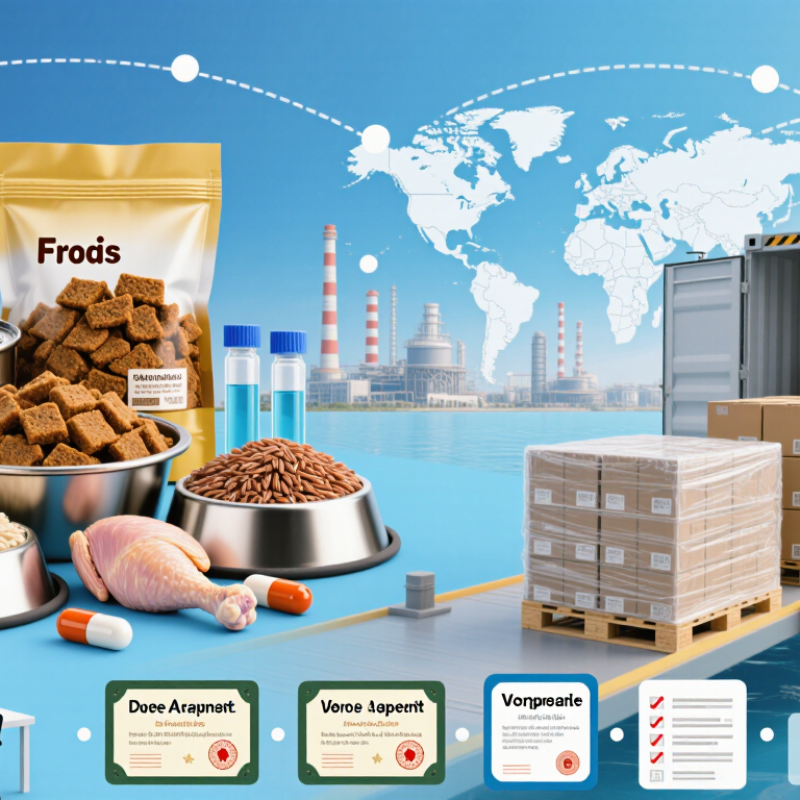
Reliable sourcing begins with a precise product brief. Define the dog’s life stage, body size, activity level, and dietary sensitivities. Specify protein sources, moisture content, calorie density, and acceptable ingredient exclusions. A vague request creates inconsistent quotations and hidden quality differences.
Set measurable packaging requirements too. Choose can, pouch, or tray formats based on storage and transport conditions. Record serving size, carton dimensions, minimum shelf life, and expected monthly volume. Ask for batch coding, ingredient specifications, laboratory results, and traceability records. Import documentation should match the destination market’s current rules. Experienced buyers also verify factory hygiene systems and recall procedures before discussing price.
Tips: Create a one-page requirement sheet. Include target nutrition, packaging, delivery location, and inspection points. Request samples from the same production process, not only display samples. Check odor, texture, seal quality, and label accuracy. Keep written records of every change.
A useful specification should protect animals and your budget. Still, it may not be perfect. I once focused heavily on protein percentages and overlooked carton strength during humid transport. That mistake caused avoidable damage. Review your requirements with a veterinarian, logistics specialist, and quality professional when possible. Supplier reliability becomes easier to judge when every expectation is documented and testable.
How to Find Reliable Wet Dog Food Supply Worldwide?
Assessing a global wet dog food supplier requires more than comparing prices. I examine factory controls, ingredient traceability, and manufacturing consistency. A reliable supplier should explain where meat, grains, oils, and supplements originate. Clear answers matter.
Request current certifications for food safety, quality management, and good manufacturing practices. Then verify their scope and expiration dates. Ask for recent third-party audit reports, not polished presentation slides. Important records include batch codes, production dates, laboratory results, and recall procedures. Test reports should cover microbiological safety, moisture, nutrition, and possible contaminants. Samples should match the declared recipe.
Factory conditions reveal practical discipline. Floors should be clean and dry, while sealed ingredients need controlled storage. Staff should use protective clothing and follow documented hygiene procedures. Check whether equipment is cleaned between recipes. Ask how temperature is monitored during cooking, filling, sterilization, and shipment. A weak answer may indicate future quality problems.
Supplier evaluation should also include packaging performance. Inspect cans or pouches for swelling, leakage, damaged seams, and readable labels. Confirm the supplier can maintain quality across different climates and transport routes. A small trial order is wiser than an immediate large commitment. No checklist is perfect. A confident sales team can still hide poor batch control. I would reassess suppliers regularly, because production standards may change after approval.
Moisture content is a practical first screening criterion when evaluating wet dog food suppliers. Wet products generally contain substantially more water than dry or semi-moist products, which affects sterilization, packaging, shelf life, storage, and transportation requirements. These are typical industry ranges rather than universal legal limits; buyers should verify the applicable regulations, complete-and-balanced nutrition standards, HACCP controls, and manufacturing records for each target market.
Reference basis: commonly used pet-food format ranges reported in U.S. FDA and AAFCO pet-food labeling guidance and industry technical references. Actual formulations may vary.
How to Find Reliable Wet Dog Food Supply Worldwide?
Ingredient quality should be verified before discussing price or shipping speed. Look for clearly named proteins, oils, minerals, and preservatives on the ingredient panel. Vague terms can hide inconsistent sourcing. Request a lot-specific certificate of analysis, not a generic laboratory template. It should match the production batch and include moisture, protein, fat, pathogens, and heavy metals. Check the laboratory’s accreditation and testing methods.
Safety records reveal more than attractive packaging. Ask for documented recall history, customer complaints, corrective actions, and sanitation procedures. Inspect production dates, expiry dates, lot codes, and storage conditions. Swollen cans, leaking pouches, or unusual odors require immediate investigation. Keep samples from each shipment when possible. This creates evidence if quality changes later.
Certifications should be independently verified through the issuing organization. Confirm the certificate number, factory address, audit scope, and expiration date. A certificate may cover only one facility or process. It does not automatically validate every ingredient. Experienced buyers also compare supplier documents with local import and labeling requirements. No checklist is perfect. A careful reviewer can still miss a weak subcontractor or outdated report. Recheck critical documents regularly, especially after a formula, factory, or supplier changes.
How to Find Reliable Wet Dog Food Supply Worldwide?
Wet dog food sourcing starts with landed cost, not factory price. Request quotes per kilogram, can, or pouch. Include ingredients, packaging, inland transport, ocean freight, insurance, duties, and inspection fees. A low unit price can hide expensive cold-chain handling. The World Bank’s Logistics Performance Index 2023 shows major differences in customs efficiency and shipment reliability across markets. Check delivery history, temperature controls, and port congestion before choosing a supplier.
Minimum orders also need careful comparison. Some producers accept trial orders, while others require a full container. Ask for production capacity, shelf life, batch testing, and payment terms. FEDIAF’s 2024 industry report records 139 million European households owning pets, showing the scale of regional demand. APPA reported US pet industry spending of 147 billion dollars in 2023. These figures indicate opportunity, but demand does not guarantee suitable import access. Import rules may require facility registration, health certificates, approved ingredients, bilingual labels, and specific customs codes. Confirm requirements with the destination authority and a licensed customs professional. Rules change.
Tips: Build a landed-cost sheet for three shipping routes. Compare ocean, rail, and air options. Request samples from separate batches. Check moisture, odor, seal quality, and declared analysis. Keep a written compliance checklist. I would not trust a polished certificate alone. Verify the issuing authority, dates, and product details. Report definitions can differ, so compare like with like.
| Supply Region | Typical Product Format | Indicative Wholesale Price | Common Minimum Order | Typical Production Lead Time | Estimated Sea Freight to Major Import Hubs | Key Import and Compliance Requirements | Best Fit for Buyers |
|---|---|---|---|---|---|---|---|
| Western Europe | Complete wet dog food in cans, trays, or pouches; private-label and retail-ready formats are widely available. | Approximately US$1.00–2.20 per kg, depending on meat content, packaging, and certification. | Usually 1–5 pallets for stock products; approximately 10,000–50,000 units for customized packaging. | Stock products: 2–6 weeks Custom products: 8–16 weeks |
Approximately US$1,500–4,000 per 20-foot container to North America, subject to route and season. | Commercial invoice, packing list, bill of lading, ingredient declaration, batch traceability, veterinary or health documentation where required, and destination-country pet-food registration. | Buyers prioritizing mature quality systems, shorter delivery to nearby markets, and premium positioning. |
| Central and Eastern Europe | Meat-based canned food, pouches, and trays for mass-market and mid-premium distribution. | Approximately US$0.75–1.70 per kg for standard formulas. | Typically 1–3 pallets for existing formulas; 5,000–30,000 units for selected private-label programs. | Stock products: 3–7 weeks Custom products: 8–14 weeks |
Approximately US$1,300–3,500 per 20-foot container to nearby European or Middle Eastern ports. | EU feed-hygiene and animal-by-product rules generally apply to EU-origin products; non-EU destinations may require import permits, official certificates, and local-language labels. | Importers seeking competitive pricing with access to established European feed-safety procedures. |
| East Asia | Retort pouches, cans, and complementary wet foods; OEM production is commonly available for larger programs. | Approximately US$0.70–1.60 per kg for standard formulas; specialty formulas cost more. | Often 1–2 pallets for catalog items; approximately 20,000–100,000 units for new molds, artwork, or customized recipes. | Stock products: 4–8 weeks Custom products: 10–20 weeks |
Approximately US$1,200–3,800 per 20-foot container to major Asian, North American, or European ports. | Destination-market approval for animal-derived ingredients, factory documentation, certificate of origin, ingredient and allergen declarations, and compliant language, net-weight, lot-code, and feeding labels. | Buyers needing flexible packaging options, OEM capability, or large-volume production. |
| North America | Cans, trays, and pouches manufactured under established commercial pet-food and feed-control systems. | Approximately US$1.30–2.80 per kg for standard wholesale formulas. | Usually 1–10 pallets for distributor stock; approximately 10,000–50,000 units for private-label production. | Stock products: 2–6 weeks Custom products: 8–16 weeks |
Approximately US$1,800–5,000 per 20-foot container to Asia or Europe. | Importers must check the destination authority’s rules for animal-origin ingredients, labeling, customs classification, facility eligibility, and veterinary certificates. U.S. products may also require compliance with FDA animal-food requirements. | Distributors selling into North American channels or buyers requiring familiar documentation and stable supply programs. |
| Latin America | Economy and mid-range canned wet food, generally supplied in retail cartons or bulk cases. | Approximately US$0.65–1.45 per kg, with freight and certification costs varying significantly by country. | Commonly 1–5 pallets for standard products; approximately 10,000–50,000 units for customized production. | Stock products: 4–8 weeks Custom products: 10–18 weeks |
Approximately US$1,500–4,500 per 20-foot container to North American or European ports. | Country-specific sanitary registration is common. Importers should verify official veterinary certificates, establishment approval, Spanish or Portuguese labeling, customs HS classification, and requirements for animal by-products. | Buyers focused on cost control and regional sourcing for price-sensitive markets. |
| Oceania | Premium and specialty wet food in cans, trays, or pouches, with strong emphasis on traceability and ingredient controls. | Approximately US$1.40–3.20 per kg for standard premium products. | Usually 1–5 pallets for existing products; approximately 10,000–50,000 units for private-label orders. | Stock products: 3–8 weeks Custom products: 10–18 weeks |
Approximately US$2,000–5,500 per 20-foot container to Asia, North America, or Europe. | Biosecurity and animal-product controls can be strict. Importers should confirm approved ingredients, veterinary certificates, treatment or processing declarations, facility eligibility, and destination-specific labeling rules before shipment. | Premium retailers and buyers who value traceability, specialty formulas, and strong biosecurity documentation. |
Finding a reliable wet dog food supplier worldwide requires more than comparing prices. Supplier checks and long-term quality monitoring protect both animals and your business. Request facility certificates, ingredient specifications, production records, and recent laboratory reports. Verify whether the documents match the actual factory address and product batch.
Ask for sealed samples from different production dates. Examine texture, smell, packaging seams, and label consistency. Test moisture, protein, fat, minerals, and microbiological safety through an independent laboratory. Keep a retained sample from every shipment. It can reveal changes later. Do not rely only on a supplier’s first successful delivery. One good batch proves little.
Tips:Create a supplier scorecard covering traceability, response time, testing, packaging, and complaint handling. Review it monthly during the first six months, then quarterly. Record lot numbers, storage temperatures, delivery dates, and inspection photos. If cans arrive swollen, leaking, or unusually dented, quarantine them and investigate before distribution. Suppliers should explain corrective actions in writing. I have found that quick answers are useful, but documented answers are stronger. Still, monitoring systems can miss small failures, so review the process honestly and adjust weak checkpoints. Long-term trust should be earned through consistent evidence, not friendly promises.
Include life stage, body size, activity level, protein sources, moisture, calories, and dietary exclusions. Record serving size and monthly volume. A vague brief creates inconsistent quotations.
Specify cans, pouches, or trays according to storage and transport conditions. Confirm carton dimensions, shelf life, seal quality, batch coding, and label accuracy. Humidity can weaken cartons.
Request ingredient specifications, laboratory results, traceability records, batch codes, and recall procedures. Verify food safety certifications and their expiration dates. Do not trust certificates alone.
Check clean, dry floors and controlled ingredient storage. Ask how staff manage hygiene and equipment cleaning between recipes. Temperature monitoring should cover cooking, filling, sterilization, and shipment.
Check odor, texture, moisture, declared nutrition, seal quality, and label accuracy. Inspect cans or pouches for swelling, leakage, and damaged seams. Samples should match the declared recipe.
A small trial order reveals batch consistency, packaging strength, and delivery performance. Request samples from actual production batches. Large commitments can magnify small mistakes.
Calculate landed cost per kilogram, can, or pouch. Include packaging, inland transport, freight, insurance, duties, inspection, and possible temperature controls. Factory price is incomplete.
Confirm facility registration, health certificates, approved ingredients, bilingual labels, and customs codes. Check current rules with destination authorities and qualified customs professionals. Rules change.
Build cost sheets for ocean, rail, and air routes. Compare delivery history, port congestion, temperature control, and expected transit time. I once ignored carton strength during humid transport, causing avoidable damage.
Finding a reliable Wet Dog Food Supply worldwide begins with clearly defining your needs, including product types, nutritional goals, packaging formats, expected volumes, and target markets. Once these requirements are established, evaluate international suppliers based on their manufacturing capabilities, hygiene controls, production consistency, and quality management systems. Suppliers should be able to provide transparent information about ingredient sourcing, nutritional composition, testing procedures, safety records, and relevant certifications.
A thorough comparison should also consider pricing, minimum order quantities, production lead times, shipping arrangements, and import requirements in each destination market. Before placing regular orders, request samples, review documentation, and conduct practical checks on product quality and communication responsiveness. Long-term monitoring is equally important: maintain inspection procedures, review batch records, track customer feedback, and periodically reassess supplier performance. By combining careful research, documented verification, and ongoing quality control, buyers can build a stable and dependable global supply relationship while protecting product consistency and customer trust.