Skip to content
0%

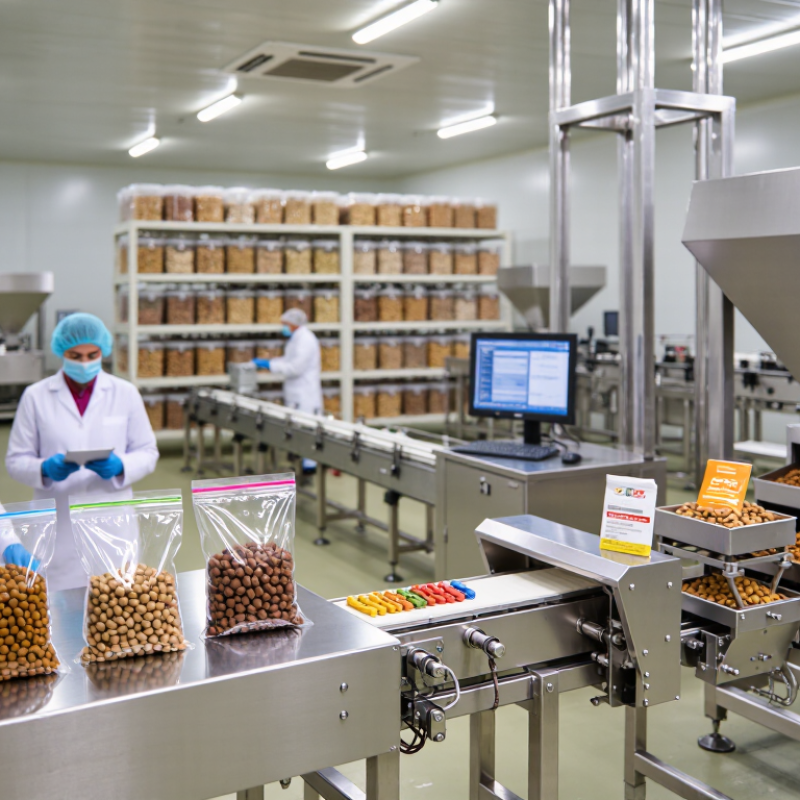
Choosing the best Private Label Dog Food Supplier in China requires more than comparing prices. It demands practical checks, technical knowledge, and careful communication. A trustworthy supplier should explain ingredient sourcing, production controls, nutrition targets, and packaging options clearly. During a factory visit, details matter: stainless steel processing lines, clean storage areas, sealed sample bags, and complete batch records reveal more than polished marketing claims.

Experience also helps identify hidden risks. Ask whether the supplier can develop dry food, wet food, treats, or special formulas for different breeds and life stages. Review laboratory testing, quality certifications, allergen controls, and product traceability. Labels should meet the destination market’s requirements, including ingredient declarations, feeding guidance, and guaranteed analysis. Import regulations vary, so independent legal and veterinary review remains important.

No supplier is perfect.

A serious partner should admit limitations instead of promising everything. Request production samples, compare texture and aroma, and monitor consistency across batches. Confirm minimum order quantities, lead times, packaging durability, and procedures for handling complaints. Strong suppliers usually provide formulation records and communicate changes before production begins. Still, documents alone cannot guarantee performance. A small trial order may reveal delays, inconsistent kibble size, or unclear replies. That is useful evidence, not wasted effort. This guide evaluates Chinese private label manufacturers through measurable standards, real sourcing considerations, and responsible pet nutrition expectations. The goal is not simply to find the cheapest factory, but to build a dependable supply relationship for safe, compliant, and market-ready dog food.

Best Private Label Dog Food Supplier in China?

What Is a Private Label Dog Food Supplier?

Best Private Label Dog Food Supplier in China?

What Is a Private Label Dog Food Supplier?

A private label dog food supplier manufactures products for another company’s brand. The buyer usually selects the recipe, package design, ingredients, and target price. The factory handles production, testing, filling, and shipment. This model gives retailers more control than reselling standard products. It also creates more responsibility.

The market is substantial. The 2024 APPA report valued United States pet industry spending at 150.6 billion dollars. A 2024 market analysis by Grand View Research estimated the global pet food market at more than 100 billion dollars. These figures show strong demand, but they do not guarantee product quality. A supplier must prove its process.

Look for documented food-safety systems, traceable ingredient lots, and independent laboratory testing. Ask for recent certificates of analysis, production records, shelf-life evidence, and clear minimum order quantities. A serious supplier should explain protein sources, moisture targets, storage conditions, and packaging barriers. Visit the facility if possible. Observe clean floors, sealed ingredient bins, calibrated scales, and separate finished-goods areas.

In my experience, attractive samples can hide weak controls. The first batch may look perfect. Consistency matters more. Request a pilot order before committing to large volumes. Review each batch, not only the first shipment. Some buyers focus too heavily on price. That is a costly mistake. Even a careful factory can miss a detail, so specifications and communication must be checked repeatedly.

Why Choose a Chinese Private Label Dog Food Manufacturer?

Why Choose a Chinese Private Label Dog Food Manufacturer?

China offers flexible production for companies building a differentiated dog food line. The 2024 APPA State of the Industry report valued the U.S. pet industry at approximately $147 billion in 2023. This demand encourages buyers to seek reliable, scalable supply partners. Chinese manufacturers often support smaller trial orders, formula adjustments, packaging changes, and staged production. These options can reduce inventory pressure for growing businesses.

The advantage is practical. A qualified factory can coordinate ingredient sourcing, extrusion, drying, testing, and packaging in one production system. This may shorten communication between departments and improve batch consistency. However, a low quotation is not proof of value. It can hide weaker testing, unstable ingredients, or limited traceability. Quality comes first. Buyers should review laboratory reports, production records, allergen controls, and export documentation before signing a contract.

The China Pet Food Market report by Research and Markets identifies rising pet ownership, premium nutrition, and e-commerce as major market drivers. These trends create room for recipes with clear nutritional positioning, such as sensitive-stomach or life-stage formulas. In my experience, detailed specifications prevent expensive misunderstandings. Confirm protein targets, moisture limits, minimum order quantities, shelf life, and packaging tolerances in writing. Factory audits also matter. Photos are not enough. A physical or independent inspection may reveal process gaps that polished presentations conceal. That is an uncomfortable cost, but skipping it can cost more.

How to Evaluate Supplier Quality, Safety, and Certifications

Best Private Label Dog Food Supplier in China?

Choosing a private label dog food supplier requires more than comparing prices. A reliable evaluation begins with the production site, not a sales brochure. Check whether raw materials arrive with supplier approval records, lot numbers, and test documents. Walk through storage areas and inspect temperature control, pest prevention, and cleaning routines. Small details often reveal larger weaknesses.

Food safety evidence should be specific. Ask for recent laboratory reports covering pathogens, heavy metals, mycotoxins, moisture, and nutritional values. Confirm that testing matches the recipe and production batch. Review the supplier’s traceability system by requesting a mock recall. Can they identify affected lots within hours? If records are incomplete, treat that as a serious warning.

Certifications can support trust, but they require careful checking. Verify the certificate holder, facility address, covered activities, expiry date, and certification scope. HACCP or ISO-based systems are useful only when employees follow them daily. Request audit summaries, corrective-action records, and evidence of staff training. A clean factory tour can still hide inconsistent controls. I have learned that confident answers are not enough; documents must agree with physical practice. One weakness may not disqualify a supplier, but it should lead to measurable corrections, follow-up testing, and a written approval decision.

Best Private Label Dog Food Supplier in China? - How to Evaluate Supplier Quality, Safety, and Certifications

Evaluation Dimension Recommended Benchmark Evidence to Request Verification Method Suggested Score Risk Level if Missing
Legal Manufacturing Status The facility should hold valid manufacturing and export-related approvals required by Chinese authorities and the destination market. Business license, production permit, export documentation, facility registration details, and approved product scope. Check document numbers, validity dates, product categories, and consistency with the physical facility. 1–5 High
Food Safety Management System A documented HACCP-based system is expected; ISO 22000 or an equivalent audited food-safety system is a strong additional indicator. Current certificates, audit reports, corrective-action records, hazard analysis, and critical control point procedures. Confirm the certification body, scope, site address, issue date, expiry date, and product category. 1–5 High
Ingredient Traceability Each ingredient should be traceable from approved supplier and lot number through production, packaging, and shipment. Approved supplier list, raw-material specifications, certificates of analysis, lot records, and mock-recall procedure. Perform a traceability test using one finished-product lot and request records within a defined response period. 1–5 High
Laboratory Testing Testing should cover nutritional composition, microbiological safety, contaminants, and product-specific risks before release. Recent batch test reports, laboratory accreditation details, test methods, detection limits, and sample identification. Use an independent laboratory for pre-shipment confirmation and compare results with the product specification. 1–5 High
Microbiological Controls Controls should address pathogens and hygiene indicators relevant to the recipe, process, and destination-market requirements. Routine results for Salmonella, Enterobacteriaceae, mold or yeast where relevant, environmental swab records, and sanitation logs. Review sampling plans, acceptance criteria, corrective actions, and whether finished-product testing is lot-based. 1–5 High
Nutritional Adequacy The formula should be designed and validated against the nutritional requirements or complete-and-balanced criteria applicable to the target market and dog life stage. Full formula, guaranteed analysis, nutrient calculation, feeding instructions, and formulation review by a qualified animal nutrition professional. Compare declared values with laboratory results and the applicable destination-market standard. 1–5 High
Contaminant Risk Management A risk-based program should cover heavy metals, mycotoxins, pesticide residues, veterinary-drug residues, and other hazards relevant to the ingredients. Ingredient risk assessments, supplier test reports, finished-product results, sampling plans, and nonconformance records. Check whether testing frequency and analytes are based on ingredient origin, risk profile, and regulatory requirements. 1–5 High
Production Process Control Critical process parameters, such as cooking, drying, cooling, moisture, and metal detection, should be defined and monitored. Process flow chart, equipment calibration records, batch records, metal-detector checks, and deviation reports. Audit the facility and compare observed controls with documented procedures and recent batch records. 1–5 Medium–High
Packaging and Shelf Life Packaging should protect against moisture, oxygen, light, leakage, and physical damage throughout the stated shelf life. Packaging specifications, migration or barrier data where relevant, seal-integrity records, storage conditions, and shelf-life study. Review real-time or accelerated stability data and inspect packaging performance during a pilot production run. 1–5 Medium–High
Label and Regulatory Compliance Labels should comply with the destination market’s rules for ingredients, guaranteed analysis, feeding directions, net quantity, lot identification, shelf life, and claims. Artwork proof, ingredient nomenclature, nutrition statement, claims substantiation, translation review, and regulatory checklist. Have a qualified regulatory reviewer assess the final artwork before printing and shipment. 1–5 Medium–High
Quality Consistency The supplier should demonstrate consistent results across multiple production lots, not only one successful sample. At least three recent batch records, laboratory reports, complaint data, nonconformance trends, and corrective-action history. Compare key parameters such as moisture, protein, fat, ash, weight, and microbiological results between lots. 1–5 Medium–High
Audit Transparency The supplier should permit a documented audit, video inspection, or qualified third-party inspection before approval. Audit questionnaire, factory photos or videos, visitor records, audit findings, and closure evidence for corrective actions. Use a risk-based audit covering warehouse, production, laboratory, sanitation, pest control, and finished-goods release. 1–5 High
Recall and Complaint Management A written complaint, incident, withdrawal, and recall procedure should define responsibilities, communication, traceability, and response timelines. Recall plan, mock-recall results, complaint log, root-cause analysis, and corrective/preventive action records. Request evidence of a completed traceability or mock-recall exercise and review closure effectiveness. 1–5 High
Private Label Capability The supplier should control formula confidentiality, artwork approval, packaging procurement, minimum order quantities, and change management. Non-disclosure agreement, formula ownership terms, approved artwork process, packaging specifications, and change-notification procedure. Confirm who approves ingredient, formula, packaging, and process changes before implementation. 1–5 Medium
Overall Approval Threshold Use a weighted score rather than price alone. Quality, safety, legal compliance, and traceability should receive the highest weighting. Completed supplier questionnaire, audit report, test results, certification review, sample evaluation, and commercial quotation. Approve only after critical risks are closed and the final product passes independent verification. Recommended: ≥80% Controlled
Scoring guide: 1 = no acceptable evidence; 2 = incomplete or outdated evidence; 3 = basic compliance; 4 = verified and consistently implemented; 5 = independently audited, well documented, and supported by strong recent records.

What Private Label Dog Food Services and Products Are Available?

Private-label dog food suppliers in China may offer dry kibble, canned food, pouches, freeze-dried meals, and treats. Product options can include puppy, adult, and senior recipes, with different protein sources and textures. Availability depends on the factory. Some suppliers also support custom formulas, while others adapt existing recipes.

Services may cover ingredient selection, packaging design, label printing, sample production, and export documentation. Ask whether a qualified pet nutrition professional reviews the recipe for its intended life stage. Request ingredient specifications and recent batch test records, too. Details vary by factory. A sample matters. Check its smell, texture, and consistency, but remember that one sample cannot confirm every production batch will match.

Before placing an order, clarify minimum order quantities, lead times, packaging sizes, and what quality checks are performed. Ask how ingredients and finished batches are traced. I would be cautious about claims that sound impressive but lack supporting records. A polished bag is not evidence of a well-controlled product, and factory answers can leave gaps that deserve follow-up.

How to Select the Best Supplier for Your Brand

Selecting the best private label dog food supplier in China requires more than comparing quotations. I look for manufacturing experience, clear ingredient sourcing, and staff who answer technical questions directly. Ask how meat, grains, oils, and supplements are received, stored, and tracked. Request current certificates, test reports, and production records. Documents should match the actual facility. A polished file is not proof.

Arrange a live video audit or an independent factory inspection. Check hygiene zones, pest control, batch coding, laboratory equipment, and storage temperatures. Request samples from a normal production run, not only hand-selected samples. Test them for nutritional values, microbiological safety, heavy metals, and shelf stability through qualified laboratories. Review the formula with a pet nutrition professional. Small changes can alter calorie density. This is easy to miss.

Compare minimum order quantities, lead times, packaging options, and defect procedures in writing. Confirm who owns the formula, artwork, tooling, and test data. Ask how complaints are investigated and how batches are traced. Communication matters when a shipment faces a port delay or packaging error. I once focused too heavily on price and overlooked slow sample revisions. That mistake affected launch timing. A supplier may be capable, yet still be a poor fit if its reporting is vague or its quality controls cannot be verified.

FAQS

What does a private label dog food supplier do?

It makes dog food for another company’s brand. Buyers often choose the recipe, ingredients, packaging, and target price. The supplier handles manufacturing and shipment.

Why consider private label production?

It gives retailers more control than reselling standard products. It also brings added responsibility. The buyer must verify quality and product claims.

What documents should I request?

Ask for recent certificates of analysis, production records, ingredient traceability, and shelf-life evidence. Check that the documents match the actual facility.

How can I check a factory’s controls?

Arrange a live video audit or independent inspection. Look for sealed ingredient bins, clean floors, batch codes, and separate finished-goods storage.

Should I test product samples?

Yes. Request samples from a normal production run, not just selected samples. Use qualified laboratories to check nutrition, microbiological safety, and shelf stability.

What should I compare besides price?

Compare minimum order quantities, lead times, packaging options, and defect procedures. Put key terms in writing. A low quote can hide slow revisions.

Who should review the formula?

A pet nutrition professional should review it. Small recipe changes can alter calorie density. Easy to miss.

What should the agreement clarify?

Confirm ownership of the formula, artwork, tooling, and test data. Ask how complaints are investigated and how affected batches are traced.

Can a strong first sample guarantee consistent production?

No. A polished sample may not reflect routine controls. Request a pilot order and review each batch. Even careful suppliers can miss details.

Conclusion

Choosing the right Private Label Dog Food Supplier in China can help businesses develop products tailored to their customers while managing production and packaging through one partner. A capable supplier may offer a range of dog food formats, recipes, package options, and services such as formulation support and custom labeling. China can be an attractive sourcing location because manufacturers may provide flexible production capabilities and a variety of service options.

Before selecting a supplier, evaluate its ingredient sourcing, quality-control procedures, food-safety practices, certifications, production capacity, and communication. Request clear product specifications and sample products, and confirm minimum order quantities, lead times, packaging choices, and support after production. The best fit is a supplier whose capabilities align with your product concept, budget, and growth plans, and that can explain its processes transparently. Careful comparison helps you build a dependable supply relationship and create dog food products suited to your brand’s needs.

Aveline

Aveline

Aveline is a highly experienced marketing professional who combines strategic insight, clear communication, and a deep understanding of the company’s products. With a strong ability to translate complex product features into practical customer benefits, Aveline creates informative and engaging......