Skip to content
0%

Choosing the right Premium Cat Food Brand can feel like reading a foreign-language label in a crowded supermarket. Global buyers face different ingredients, feeding standards, prices, and import conditions. A recipe praised in one country may not suit every cat elsewhere.

Dr. Lisa M. Freeman, DVM, PhD, DACVN, a respected veterinary nutritionist, has stated, “There is no one best diet for all cats.” Her point matters. Premium positioning does not automatically mean nutritional perfection. Age, body condition, allergies, activity, and medical history should guide every choice.

This guide reviews ten premium cat food brands for international buyers. It considers ingredient transparency, protein quality, complete-and-balanced claims, manufacturing oversight, product variety, and practical availability. We also examine wet food, dry food, limited-ingredient formulas, and recipes designed for specific life stages.

Look beyond glossy packaging. Check the first ingredients, feeding instructions, expiration date, and local compliance information. A shiny salmon can on a store shelf is useful only when its nutrition matches your cat’s needs. Country-specific formulas may also differ, even under the same brand name.

The ranking is not absolute. That deserves honesty. Supply interruptions, changing formulas, and regional labeling can affect the final decision. Some brands may excel in quality but cost more than many households can sustain. Others may offer dependable nutrition without dramatic marketing.

Use this overview as a careful starting point, not a substitute for veterinary advice. Your cat’s bowl, litter box, weight, coat, and energy levels often reveal more than advertising does.
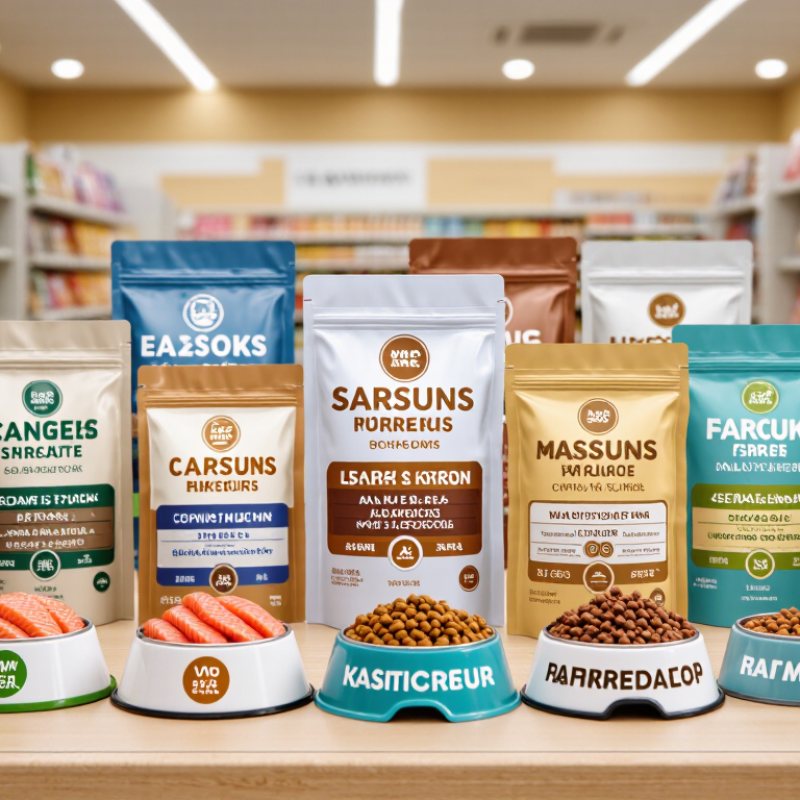
10 Best Premium Cat Food Brands for Global Buyers

What Defines Premium Cat Food for International Buyers

Premium cat food means more than an attractive package or a high price. For international buyers, quality begins with a complete and balanced recipe suited to a cat’s life stage. Clear ingredient descriptions matter, but ingredient order alone cannot prove nutritional value. Look for named animal proteins, essential taurine, appropriate minerals, and controlled levels of moisture, fat, and carbohydrates. Reliable manufacturers should explain their quality checks, production location, batch coding, and traceability.

Regional needs also shape a premium choice. Import rules, language requirements, storage conditions, and delivery times can vary widely. A carefully produced food may lose quality if it sits in extreme heat during shipping. Veterinary nutrition expertise and independent laboratory testing add confidence, though neither guarantees that every cat will thrive. No formula is perfect for every cat. Individual tolerance still matters.

Tips for global buyers: Check the feeding guide against your cat’s weight and activity. Introduce new food gradually over seven to ten days. Inspect seals, dates, and lot numbers when the package arrives. Keep dry food cool and airtight, while opened wet food needs refrigeration and prompt use. Watch stool quality, coat condition, appetite, and energy after changing diets. A premium claim can still disappoint. I would compare evidence, not marketing language, and ask the seller for current product documentation before ordering.

What Defines Premium Cat Food for International Buyers?

A practical starting point is nutritional adequacy. The chart shows selected minimum nutrient levels for adult-maintenance cat food under the AAFCO Cat Food Nutrient Profiles, expressed on a dry-matter basis. Premium products should also provide transparent labeling, complete-and-balanced nutrition, traceable sourcing, and compliance with the destination market’s regulations.

Reference: AAFCO Official Publication, Cat Food Nutrient Profiles for Adult Maintenance; values shown are minimums and are not brand comparisons.

Key Criteria for Comparing Ingredients, Nutrition, and Safety

For global buyers, premium cat food should be judged by evidence, not elegant packaging. The 2024 FEDIAF Facts and Figures report estimates 108.3 million cats live in Europe. That scale makes consistent nutrition and safety essential. Start with the nutritional adequacy statement. It should identify the cat’s life stage and confirm complete, balanced feeding. Calorie information matters too, especially for indoor cats with limited daily activity.

Read the ingredient list carefully. Ingredients appear by weight, but fresh meat contains substantial water. Named animal proteins, clearly identified fats, and useful fiber sources improve transparency. Grains are not automatically poor choices. Neither are properly regulated by-products. WSAVA’s Global Nutrition Committee emphasizes nutrient profiles, feeding amounts, and professional assessment over marketing language. A shiny coat claim proves little.

Safety checks need practical detail. Look for a lot number, expiry date, manufacturer contact, storage guidance, and local-language compliance. AAFCO and FEDIAF nutrient profiles offer useful comparison points, but standards differ by market. Do not assume one formula suits every country or every cat. The FDA also advises owners to monitor recalls and report suspected food problems. In my label reviews, vague wording often slows comparison. That is a warning sign. No label tells the whole story. Veterinary advice remains valuable when a cat has allergies, kidney disease, weight changes, or persistent digestive problems.

Ten Premium Cat Food Brands Across Global Markets

Premium cat food looks different across global markets, but strong products share practical qualities. In reviewing ten premium ranges, I look beyond elegant packaging and high prices. A useful label names the animal protein clearly and lists taurine, essential fats, and vital minerals. Moisture also matters, especially for cats that drink very little. Wet food in small, resealable portions can reduce waste in warm climates.

Regional needs often shape these products. European formulas may highlight traceability and controlled sourcing, while North American products often provide detailed nutrient panels. Asian markets frequently offer smaller servings and softer textures for indoor cats. Import rules, language labels, and storage conditions also affect buyer confidence. A lot code should be easy to find. So should feeding guidance. Global shoppers need more than attractive claims.

My own comparison is not perfect. Some ingredient lists use technical terms that ordinary owners may misunderstand. “Natural” can sound reassuring, yet it does not prove nutritional balance. Veterinary nutrition standards and local regulations deserve greater attention than online popularity. I would compare calories per serving, protein sources, mineral levels, and the manufacturer’s quality controls. Cats also respond differently. One may enjoy a rich pâté, while another refuses it after one cautious sniff. Small trial packs help, although they are not always available in every market.

10 Best Premium Cat Food Brands for Global Buyers - Ten Premium Cat Food Brands Across Global Markets

Anonymous premium-market product profiles; company and brand names intentionally omitted.
Profile Primary Global Market Premium Product Positioning Common Product Format Typical Crude Protein Range Typical Moisture Range Dietary Positioning Key Premium Features Buyer Verification Points
Premium Profile 01 United States & Canada High-meat, life-stage-specific nutrition Dry kibble Wet pâté Dry: approximately 32–42% as-fed
Wet: approximately 8–12% as-fed
Dry: approximately 6–10%
Wet: approximately 75–82%
Complete and balanced recipes for kittens, adults or senior cats Named animal proteins, taurine, omega fatty acids and controlled mineral levels Check the nutritional adequacy statement, calorie content, feeding guide and manufacturer contact details.
Premium Profile 02 European Union Traceable ingredients with functional nutrition Dry kibble Pouches Cans Dry: approximately 30–40% as-fed
Wet: approximately 8–12% as-fed
Dry: approximately 7–10%
Wet: approximately 76–82%
Complete feed or complementary feed clearly identified on the label Digestive-support ingredients, controlled additives, meat traceability and defined life-stage use Confirm whether the product is labelled “complete” or “complementary” and review the feeding instructions.
Premium Profile 03 United Kingdom Ethically sourced, high-animal-protein nutrition Dry food Wet food Freeze-dried treats Dry: approximately 32–42% as-fed
Wet: approximately 8–13% as-fed
Dry: approximately 6–10%
Wet: approximately 75–82%
Complete diets matched to age, size and activity level Named meat ingredients, transparent sourcing, taurine supplementation and recyclable packaging options Review the ingredient list, batch information, importer details and storage instructions.
Premium Profile 04 Australia & New Zealand High-protein nutrition designed for active indoor and outdoor cats Dry kibble Canned food Dry: approximately 30–40% as-fed
Wet: approximately 8–12% as-fed
Dry: approximately 7–10%
Wet: approximately 75–82%
Complete diets with clearly stated feeding quantities Animal-based protein, urinary-health positioning, skin-and-coat nutrients and calorie disclosure Check country-of-origin information, local importer details and suitability for the cat’s life stage.
Premium Profile 05 Japan Small-portion, highly palatable nutrition for indoor cats Small dry pieces Toppers Pouches Dry: approximately 30–38% as-fed
Wet: approximately 8–12% as-fed
Dry: approximately 7–10%
Wet: approximately 78–82%
Age-specific and indoor-lifestyle formulas Palatability testing, hairball-support claims, portion control and moisture-rich meal options Verify feeding amounts, expiration date, storage instructions and translated nutritional information.
Premium Profile 06 South Korea Functional nutrition for indoor living and weight management Dry kibble Wet pouches Freeze-dried snacks Dry: approximately 32–40% as-fed
Wet: approximately 8–12% as-fed
Dry: approximately 6–10%
Wet: approximately 76–82%
Complete diets with targeted options for sterilised, senior or indoor cats Measured calories, high animal-protein recipes, digestive ingredients and controlled fat levels Check the local-language label, product registration information and whether claims are nutritional or therapeutic.
Premium Profile 07 Singapore & Southeast Asia Moisture-focused nutrition for warm climates and indoor lifestyles Wet food Pouches Air-dried food Wet: approximately 8–12% as-fed
Air-dried: approximately 30–45% as-fed
Wet: approximately 75–82%
Air-dried: approximately 10–15%
Complete diets supplemented with moisture-rich feeding options High palatability, resealable packaging, heat-stable transport and clear storage guidance Confirm import approvals, storage conditions, expiry dates and post-opening refrigeration instructions.
Premium Profile 08 Middle East High-protein recipes with ingredient and dietary preference transparency Dry food Wet food Freeze-dried food Dry: approximately 30–42% as-fed
Wet: approximately 8–12% as-fed
Dry: approximately 6–10%
Wet: approximately 75–82%
Complete nutrition with clearly described animal-source ingredients Single-animal-protein options, grain-free alternatives, taurine and heat-resistant packaging Check local import labelling, ingredient declarations, storage requirements and any dietary certification relevant to the buyer.
Premium Profile 09 Brazil & Latin America Accessible premium nutrition with high palatability and complete feeding profiles Dry kibble Cans Pouches Dry: approximately 30–40% as-fed
Wet: approximately 8–12% as-fed
Dry: approximately 7–10%
Wet: approximately 75–82%
Life-stage formulas with complete-diet declarations Animal protein, controlled mineral content, digestive support and clear calorie information Compare feeding guides on a calorie basis and verify the label language, batch number and local distributor.
Premium Profile 10 South Africa Protein-forward nutrition for varied indoor and outdoor lifestyles Dry food Wet food Treats Dry: approximately 30–40% as-fed
Wet: approximately 8–12% as-fed
Dry: approximately 6–10%
Wet: approximately 75–82%
Complete diets for kittens, adults and mature cats Named protein sources, taurine, omega-3 fatty acids and packaging suited to warm conditions Review the complete-feeding statement, storage instructions, expiry date and local registration or importer information.

Note: Protein and moisture figures are typical label ranges for premium dry, wet, air-dried and freeze-dried cat-food formats. As-fed percentages are not directly comparable across formats because moisture levels differ. Buyers should always verify the current package label, nutritional adequacy statement and local import requirements.

Choosing the Right Brand for Your Cat’s Age and Health Needs

A premium cat food choice should begin with age, not packaging.

Kittens need higher energy, protein, and mineral support for rapid growth. Adult cats usually need controlled calories and balanced nutrients for stable weight. Senior cats may benefit from adjusted calories, highly digestible protein, and closer kidney monitoring.

FEDIAF Nutritional Guidelines 2024 separates recommendations by life stage, showing why one recipe cannot suit every cat equally.

Health history changes the decision. A sterilized indoor cat may gain weight from small calorie excesses. A long-haired cat may need attention to stool quality and hairball management. Cats with urinary, kidney, digestive, or allergy concerns need veterinary guidance before changing food.

WSAVA’s Global Nutrition Committee advises checking nutritional adequacy, feeding trials, quality control, and clear manufacturer contact details. “Premium” alone proves very little. It is not a universal nutritional standard.

Look for a complete-and-balanced statement recognized in the destination market, such as AAFCO nutrient profiles or FEDIAF guidance.

APPA’s 2023–2024 National Pet Owners Survey estimated 46.5 million U.S. households owned cats, reflecting a large and varied buyer market.

Global shoppers should also check language, import rules, batch information, and feeding directions. Measure portions with a kitchen scale. Small errors accumulate.

I would not change food abruptly, even when the ingredient list looks impressive; a gradual transition over seven to ten days is usually kinder to the stomach.

Some recommendations remain imperfect because individual cats respond differently. A veterinarian’s assessment should outweigh marketing language.

Checking Availability, Import Rules, and Value by Region

When comparing the 10 best premium cat food brands for global buyers, availability matters more than advertising. FEDIAF’s 2024 Facts and Figures report estimates about 108 million cats in Europe, showing strong regional demand. However, a product sold in one country may be unavailable elsewhere. Local distributors, cold-chain limits, and customs delays can change the final price.

Import rules also deserve careful checking. Commercial shipments may require ingredient declarations, batch traceability, veterinary documents, and an approved local importer. In the United States, requirements can involve both FDA and USDA APHIS rules. European buyers must consider animal by-product controls under EU regulations. Rules differ by origin and recipe.

Small details matter.

Value should include shipping, taxes, minimum order quantities, and waste from unsuitable packaging. A 2-kilogram bag may look economical, but humidity can reduce freshness after opening. Euromonitor and Grand View Research both identify premiumization as a major pet food trend, yet premium pricing does not automatically prove better nutrition. Compare complete-diet status, feeding guidance, protein sources, and independent quality testing. My own ranking would remain provisional because exchange rates, retailer availability, and import policies change frequently. A lower-priced regional option may offer better value than an expensive imported product.

FAQS

What makes cat food premium for international buyers?

A complete, balanced recipe is more important than a glossy package. Look for named animal proteins, taurine, suitable minerals, and controlled nutrient levels. Price alone proves nothing.

Which ingredients should buyers check?

Check whether the animal protein is clearly named. Review protein, fat, moisture, carbohydrates, taurine, and mineral information. Ingredient order cannot prove nutritional quality by itself.

Why does taurine matter in cat food?

Taurine is an essential nutrient for cats. A premium formula should provide an appropriate amount. Check the nutrient panel.

How can buyers assess manufacturing quality?

Ask for production details, quality checks, batch codes, and traceability information. Independent laboratory testing can add confidence. It is not a perfect guarantee.

What shipping risks affect imported cat food?

Extreme heat can reduce product quality during long delivery periods. Check storage requirements before ordering. Timing matters.

How should new food be introduced?

Mix the new food with the current diet over seven to ten days. Increase the new portion gradually. Sudden changes may upset digestion.

What should buyers inspect when a package arrives?

Check the seal, expiration date, and lot number carefully. Look for swelling, leaks, strange odors, or damaged packaging. Do not ignore small warning signs.

How should cat food be stored after delivery?

Keep dry food cool, dry, and tightly sealed. Refrigerate opened wet food and use it promptly. Warm rooms can be a problem.

How can owners tell whether a formula suits their cat?

Watch stool quality, coat condition, appetite, and daily energy. One cat may enjoy a rich pâté, while another rejects it after one sniff. Individual tolerance still matters.

Conclusion

For global cat owners, a Premium Cat Food Brand should offer carefully selected ingredients, balanced nutrition, clear labeling, and reliable safety standards. This guide explains how to compare protein sources, essential nutrients, ingredient quality, production controls, and product transparency across international markets. It also presents ten types of premium brands and product approaches without focusing on specific company names, helping readers understand the differences between formulas designed for everyday feeding, sensitive digestion, indoor lifestyles, or specialized nutritional needs.

Choosing the right food depends on a cat’s age, activity level, body condition, and health requirements. Kittens, adults, seniors, and cats with dietary sensitivities may each need different nutritional support, so professional veterinary advice can be valuable. International buyers should also review regional availability, packaging information, import requirements, storage conditions, and total cost. By considering nutrition, safety, suitability, and long-term value together, cat owners can make a practical and informed purchasing decision.


Aveline

Aveline

Aveline is a highly experienced marketing professional who combines strategic insight, clear communication, and a deep understanding of the company’s products. With a strong ability to translate complex product features into practical customer benefits, Aveline creates informative and engaging......