Family-owned wet pet food manufacturing in Northern Ireland since 1972
+44 (0) 28 8778 4641
Choosing the right Wet Cat Food Wholesale supplier in 2026 requires more than comparing carton prices. Global buyers must examine ingredient quality, production consistency, packaging strength, and export readiness. A low quote can become expensive when cans arrive dented, labels need correction, or delivery schedules slip.
Dr. Lisa M. Freeman, a veterinary nutrition expert at Tufts University, has stated, “There is no one best diet for all pets.” Her point matters to wholesale buyers. Cats differ in age, health status, texture preferences, and nutritional needs. A reliable supplier should offer clear formulas, complete nutrient information, batch traceability, and practical product variety. Buyers should also request recent laboratory reports, factory certifications, shelf-life details, and samples before placing large orders.
This guide reviews the 2026 Best Wet Cat Food Wholesale Suppliers for Global Buyers through a commercial and quality-focused lens. It considers private-label capability, minimum order quantities, production capacity, freight coordination, and communication standards. It also examines details that are easy to overlook, such as pull-tab reliability, carton moisture resistance, and label readability under warehouse lighting.
No supplier is perfect.
Some companies appear impressive online but respond slowly after payment. Others provide attractive packaging but limited technical support. That is where careful evaluation becomes essential. Market claims can sound polished, yet real performance depends on documents, samples, and consistent follow-up. This overview may not answer every regional requirement, and buyers should verify current certifications independently. Still, it offers a practical starting point for selecting dependable Wet Cat Food Wholesale partners in a competitive global market.
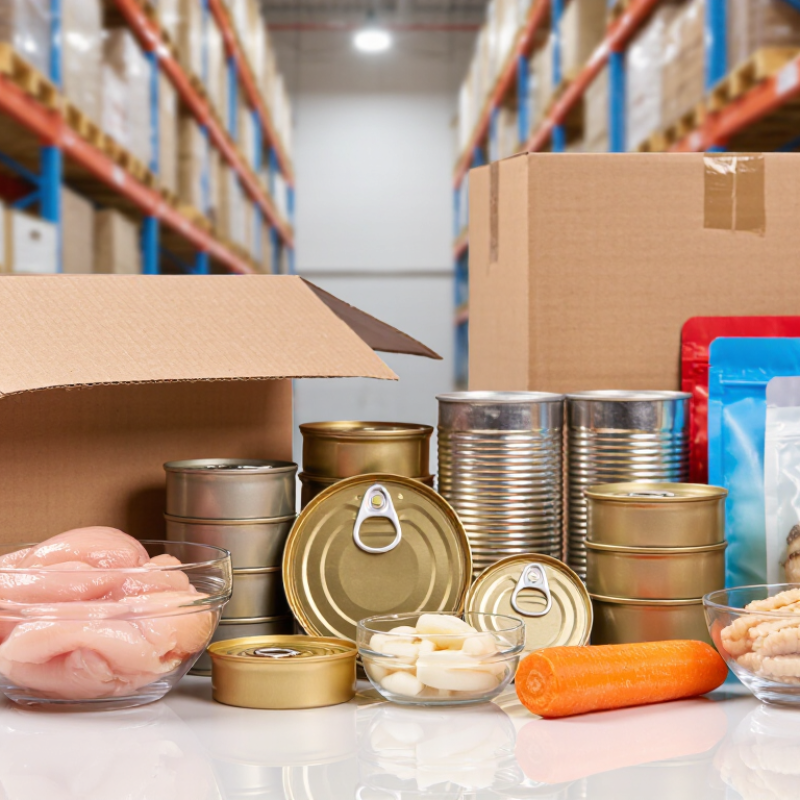
A suitable wet cat food supplier must do more than offer attractive cans and a low unit price. Global buyers need consistent recipes, clear product specifications, and batch-level traceability. Ask for ingredient details, guaranteed analysis, feeding guidance, and records showing how each production lot is identified. These documents help buyers check whether shipments match approved samples. Small differences matter.
Production capacity also deserves close attention. A supplier should explain minimum order quantities, lead times, peak-season limits, and how it handles delayed ingredients. Request samples from more than one batch when possible. One perfect sample proves little. Review can seams, labels, case strength, and product condition after shipping. A dented carton may seem minor, but repeated damage can increase warehouse losses.
Export experience is useful when it includes practical support, not just confident promises. Ask whether the supplier can provide accurate product and shipping documents for the destination market, and confirm requirements with qualified local advisers. Check expected shelf life on arrival, temperature and storage guidance, and whether packaging suits your distribution route. Communication matters too: clear answers about a delayed order are more valuable than vague assurances. No supplier is flawless. Buyers should compare evidence, test assumptions, and record agreed quality standards before placing large orders.
For global buyers, wet cat food quality starts before the can is opened. Request a current product specification, ingredient list, and batch test records from each supplier. Compare declared nutrients on a consistent basis, such as dry matter, rather than relying on marketing claims. Check protein sources, moisture, fat, and essential nutrients against the needs of the intended cats. Details matter.
Inspect samples from several production batches, not just one attractive carton. Look for intact seams, clean labels, consistent texture, and no unusual odor or swelling. Ask how suppliers monitor cooking, filling, and sealing, and how they trace a batch if a complaint occurs. A neat factory tour is useful, but records tell more. I would not treat a single certificate as proof of every shipment’s quality.
Nutrition claims deserve careful reading. Confirm that feeding guidance and nutrient information are clear, and ask for evidence behind claims such as “complete” or “for sensitive digestion.” Review storage conditions, shelf-life data, and packaging performance during transport; heat can change product quality. When possible, have a qualified veterinary nutrition professional review formulations for the target market. No checklist catches everything. Keep retain samples and document concerns, even small ones, so purchasing decisions improve over time.
For wet cat food wholesale shipments, certificates depend on the destination, ingredients, and processing method. Buyers should request a veterinary health certificate issued or endorsed by the exporting country’s competent authority, plus a certificate of origin and commercial invoice. Many markets also require an import permit, product registration, or facility approval. Confirm exact wording with the destination authority before production; a small mismatch in the product description can delay a container.
Check labels and supporting records carefully. Keep the ingredient list, manufacturing details, batch codes, shelf-life data, and certificate descriptions consistent across documents. If the recipe contains animal-origin ingredients, ask whether the destination requires specific statements on species, heat treatment, or disease controls. WOAH’s international animal-health standards provide a technical reference, but importing authorities set the final requirements. Rules vary. FEDIAF’s 2024 European Pet Population and Market Report estimates 299 million pets in Europe, illustrating the scale of the market—and the need for dependable traceability as products cross borders. Do not treat that figure as a forecast for cat-food imports.
Before dispatch, compare the draft health certificate, invoice, packing list, bill of lading, and label against the buyer’s import permit. Ask a customs broker or competent authority to review unfamiliar requirements. This extra check can feel slow. It is cheaper than correcting paperwork after a refrigerated shipment has arrived.
Price alone rarely tells the full story when comparing wet cat food wholesalers. Request a quote for the same recipe, can size, and order quantity from each supplier. Check whether the price includes packaging, freight, and any setup charges. A low unit price can change quickly once these costs appear. Ask for a current product specification sheet, ingredient list, and sample batch details. Then compare the guaranteed analysis and packaging weight, not just the front-label claims. Small differences matter.
Minimum orders need practical scrutiny. A supplier may quote a low starting quantity but require full-pallet orders for repeat purchases. Ask how many cases fit on a pallet, how long production takes, and what happens if a shipment is delayed. Private label services also vary. Confirm who prepares label files, whether proof approval is required, and which packaging formats are available. Get these terms in writing. Clear answers are a good sign, though not a guarantee. A simple comparison sheet can track unit cost, minimum order, lead time, sample availability, and label fees. Leave room for notes from calls; details are easily forgotten. No supplier is perfect, and I would treat vague answers as a reason to ask again, not as proof of a problem.
Indicative planning estimates in USD per kilogram, not live supplier quotes. Actual prices depend on recipe, packaging, destination, order volume, and shipping terms.
How to compare: Larger orders may reduce unit costs, but minimum order quantities and freight can offset savings. For private label, request written confirmation of minimum run size, setup or artwork fees, production lead time, certifications, and whether quoted prices include packaging and delivery.
Long-term cooperation depends on more than a low quotation. FEDIAF’s 2024 European industry report estimates that 129 million cats live in Europe, showing the scale and diversity of demand buyers may serve. A reliable supplier should explain how recipes, ingredient specifications, and batch records stay consistent as orders grow. Ask for recent third-party audit findings, traceability documents, and a written process for handling quality complaints. Paperwork matters. So does seeing how the factory manages a delayed ingredient shipment.
Compare suppliers using a small pilot order before committing to large volumes. Check whether the cans or pouches arrive intact, labels match approved samples, and shelf-life details are clear. Ask how production capacity changes during peak seasons, and request realistic lead times for samples, production, and shipping. The FAO’s 2023 food-loss report highlights that handling and storage affect food quality across supply chains; buyers should therefore discuss storage conditions and transport monitoring, not just factory controls. Requirements differ by destination, so confirm applicable import and labeling rules with qualified local advisers. I would also leave room for imperfect forecasts: demand can shift, and a supplier’s honest explanation of limits may be more useful than an ambitious promise.
Use this comparison framework to assess prospective suppliers. Screening targets below are buyer-defined examples, not universal industry requirements or claims about any particular supplier. Verify all documents and figures directly with the supplier and relevant authorities.
| Assessment dimension | What to verify | Example screening target | Evidence to request | Suggested weight |
|---|---|---|---|---|
| Regulatory readiness | Ability to meet the importing market’s rules for pet-food ingredients, labeling, establishment approval, and import documentation. | All required documents and destination-market checks confirmed before purchase order. | Product specification, ingredient list, label draft, certificates and export documents applicable to the destination. | 20% |
| Food-safety management | Documented hazard controls, sanitation, traceability, recall process, and independent audit or certification scope. | Current, independently verifiable food-safety certification where required by the buyer; corrective actions tracked to closure. | Certificate and scope, audit summary, hazard-control plan, recall procedure, and traceability test results. | 20% |
| Nutrition and product formulation | Nutrient profile, intended life stage, complete-and-balanced status where claimed, and consistency with the applicable nutritional standard. | Formula and label claims supported by testing and documentation for each product and target market. | Full nutrient analysis, formulation statement, feeding directions, shelf-life data, and substantiation for nutritional claims. | 15% |
| Batch quality and testing | Incoming-ingredient checks, finished-product release criteria, test methods, and handling of out-of-specification results. | A defined certificate of analysis and lot-level traceability available for every shipment. | Recent anonymized certificates of analysis, testing schedule, laboratory details, and sample retention policy. | 15% |
| Capacity and order flexibility | Available production capacity, minimum order quantities, packaging options, and ability to support forecast changes. | Written capacity allocation and lead-time commitments that match the buyer’s forecast. | Monthly capacity statement, SKU-level MOQ, production calendar, and escalation process for delays. | 10% |
| Packaging and shelf life | Can, pouch, or tray specifications; packaging integrity; coding; storage conditions; and remaining shelf life on arrival. | Packaging validated for the product and transport route; shelf-life and arrival-life requirements agreed in writing. | Packaging specifications, shelf-life study or supporting data, pallet configuration, and sample inspection results. | 10% |
| Export logistics and documentation | Export experience, agreed Incoterms® 2020 rule and named place, booking coordination, and document accuracy. | A shipment-document checklist and delivery schedule agreed before production. | Redacted examples of shipping documents, loading plan, transit assumptions, and delay-management procedure. | 5% |
| Commercial reliability | Price validity, payment terms, contract clarity, change control, claims handling, and remedies for non-conforming goods. | Written terms define specifications, tolerances, inspection, dispute handling, and responsibility for agreed costs. | Quotation, draft supply agreement, claims procedure, and a clear schedule of any additional charges. | 5% |
| Communication and long-term support | Named contact, response process, language support, product-change notifications, and periodic performance review. | Named account and quality contacts; agreed response times and review cadence. | Support contact list, escalation chart, change-notification policy, and meeting schedule. | 5% |
| Total suggested weight | 100% | |||
Practical note: Requirements vary by destination and product. For example, U.S. FDA food-facility registration is not the same as FDA approval or endorsement; EU pet-food imports can involve feed-hygiene and animal-by-product rules. Confirm current requirements with the relevant authorities or a qualified compliance professional before ordering.
Buyers often need a veterinary health certificate, certificate of origin, and commercial invoice. Import permits, product registration, or facility approval may also apply. Requirements differ by destination.
Confirm them with the destination authority before production begins. A customs broker can review unfamiliar rules. Guessing feels faster. It may create expensive delays.
Keep ingredients, manufacturing details, batch codes, shelf life, and product descriptions consistent. Check the invoice, packing list, label, and health certificate together. Tiny wording differences can delay a container.
Some destinations request statements about species, heat treatment, or disease controls. Ask the importing authority for the required wording. Do not rely only on general international guidance.
Request quotes using the same recipe, can size, and order quantity. Check packaging, freight, and setup charges separately. A low unit price may rise after hidden costs appear.
Review the ingredient list, specification sheet, guaranteed analysis, and packaging weight. Sample batch details can reveal practical differences. Front-label claims are not enough.
Ask for the starting quantity, repeat-order minimum, case count, and pallet capacity. Confirm production time and procedures for delayed shipments. A small opening order may not remain small.
Confirm who prepares label files, whether proof approval is required, and which packaging formats are available. Put fees and responsibilities in writing. Clear answers help, but they are not a guarantee.
Choosing the right Wet Cat Food Wholesale supplier requires more than comparing product catalogs. Global buyers should assess whether a supplier can provide consistent quality, dependable production capacity, clear communication, and practical support for international orders. Product evaluation should consider ingredient transparency, nutritional suitability, packaging integrity, shelf-life information, and documented quality and safety procedures.
Before placing an order, confirm which certifications and export documents are relevant to the destination market, and ensure that records can be provided and verified. Compare prices alongside minimum order quantities, lead times, shipping arrangements, and private-label options to understand the full value of each offer. For lasting cooperation, request samples, clarify specifications and responsibilities in writing, and evaluate the supplier’s responsiveness and consistency over time. A careful, evidence-based selection process can help buyers build a reliable supply relationship that supports both product standards and business growth.